

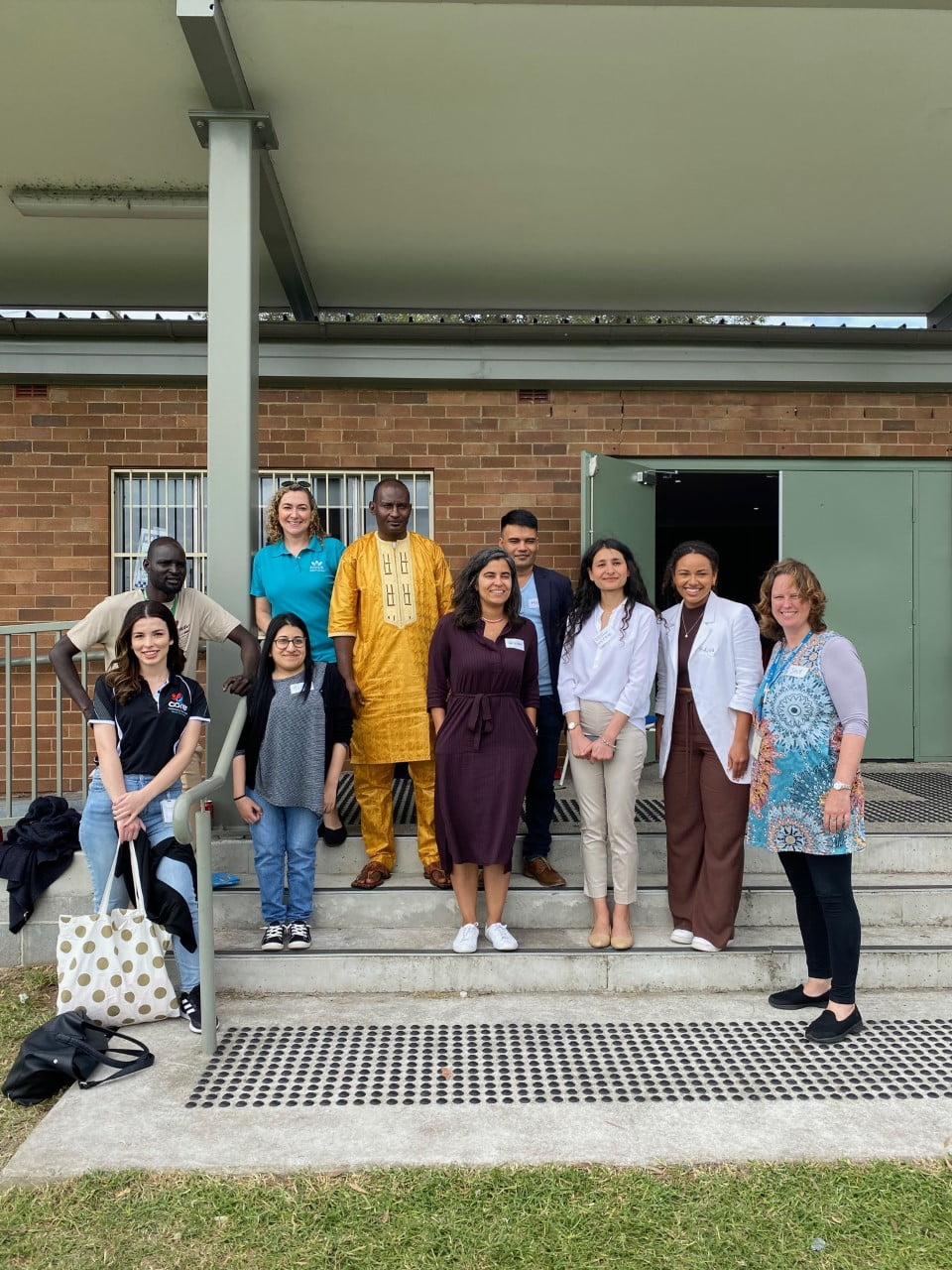
About the Youth Collective
Young people from multicultural, migrant and refugee backgrounds have extraordinary potential. But all too often, they face barriers along their way.
Our Youth Collective initiative brings young people together with multicultural service providers to create a platform for youth from culturally and linguistically diverse backgrounds to participate in activities that help shape service delivery planning, implementation and outcomes that impact them across education, employment and a number of other areas.
Our aim is to improve service delivery outcomes for multicultural young people in NSW through innovative and collaborative initiatives. By participating in this initiative, young people have the opportunity to build their confidence, resilience and leadership skills.
The program includes the NSW Settlement Partnership (NSP) Youth Workers Network, a group of youth workers from across 20 settlement service providers in the NSP, which is a consortium led by SSI to deliver services to newly arrived migrants and refugees. Network members collaborate on projects, share resources and learn from each other how to successfully deliver services and support to young people. For example, we collaborated with the NSW Multicultural Health Communication Service, Primary Health Networks and Special Broadcasting Service (SBS) to co-design resources for the Multicultural Community Wellbeing campaign.
How we help



Youth representation and leadership
Youth representation and leadership are other key aspects of this initiative. Through activities such as our 20 Voices Youth Symposiums, we bring together newly arrived young people to discuss issues in youth settlement, such as education, housing, employment and health.
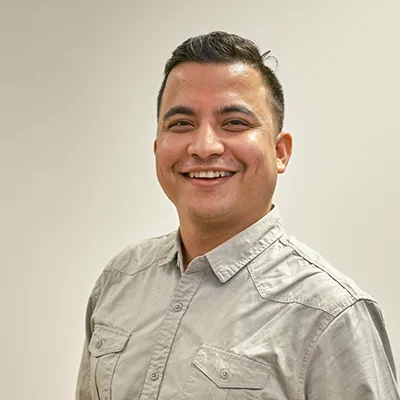
Meet our Youth Collective superstar
Subash Poudel is a social worker and advocate in the multicultural, youth and disability sectors. As an international student and migrant, he is passionate about creating a safe space for people from diverse backgrounds to feel at home in Australia and is active in his local community.
Policy and advocacy
We are committed to empowering young people to play a role in the development of policies that impact them, so we create spaces for young people to share their challenges, hopes, dreams and lived experience.
The Youth Speaks project amplifies the voices of migrant and refugee youth through conversations with young people in the community. If you are a teacher, youth worker or university student who is interested in learning more about the project, we would love to hear from you!
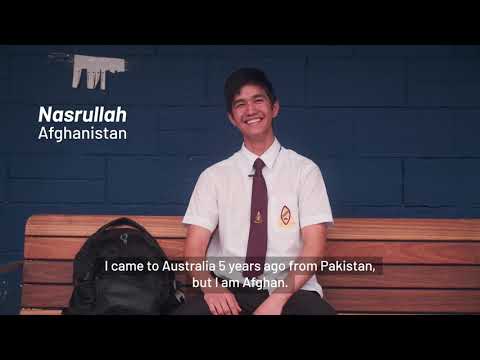
Watch this video featuring young people reflecting on some of the ways they coped with the challenges of the pandemic, and how it impacted their settlement journey.
Get in touch
SSI’s Youth Collective currently operates in NSW.
For more information, contact Kritika Whitaker at kwhitaker@ssi.org.au.
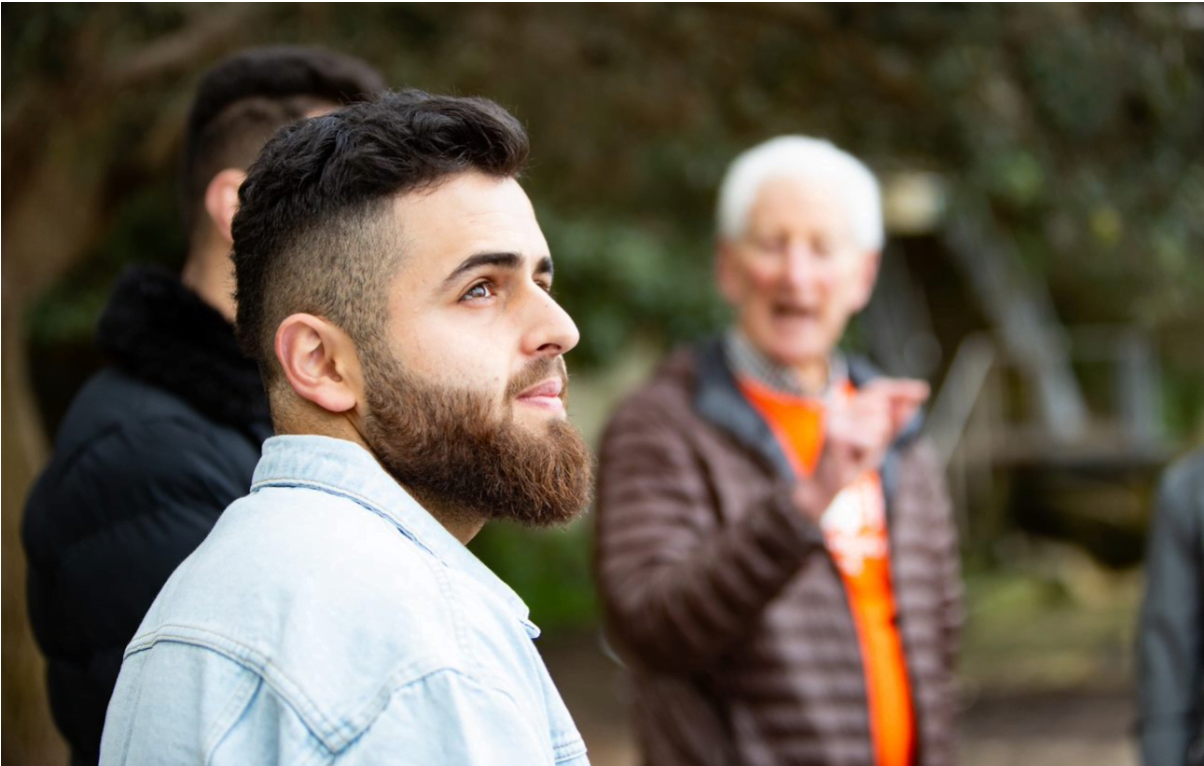
SSI Welcome Program
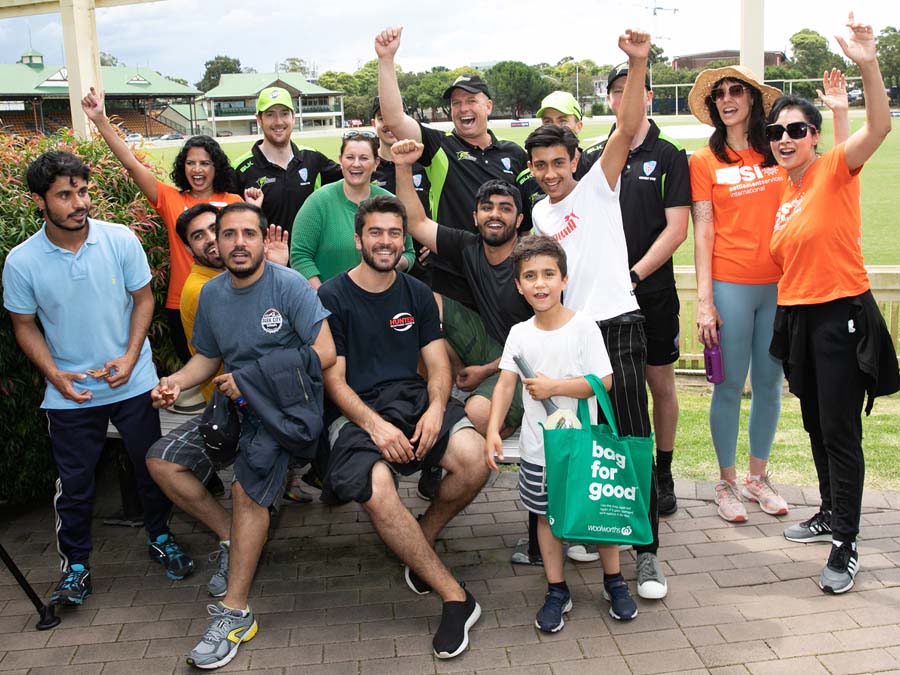
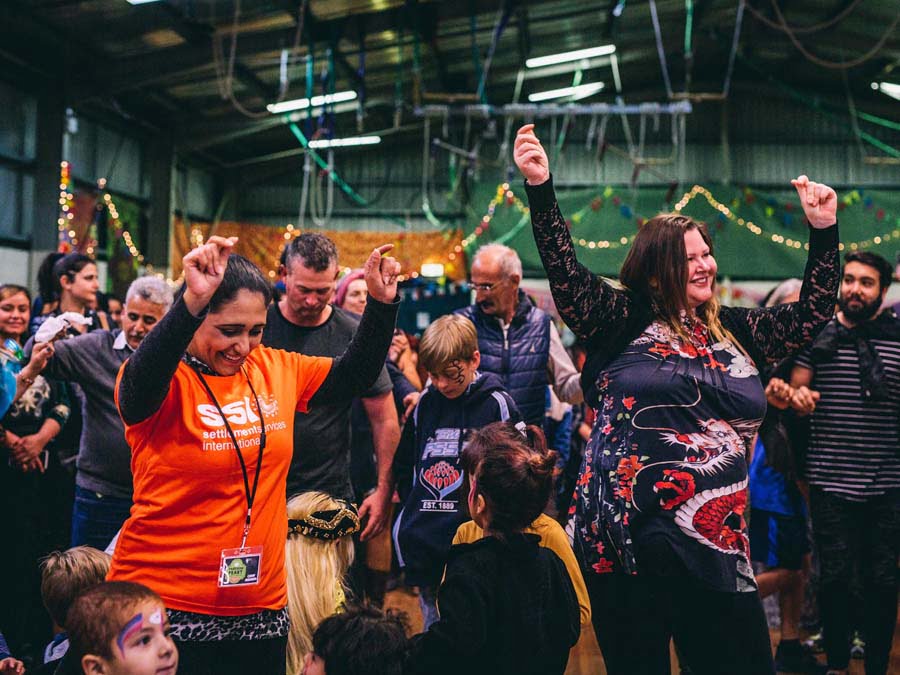
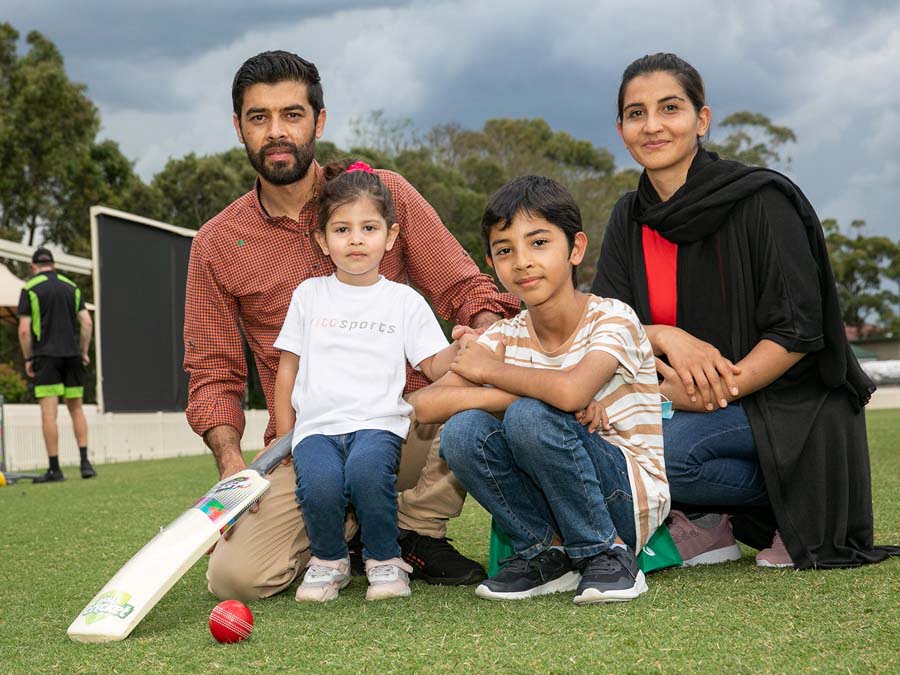
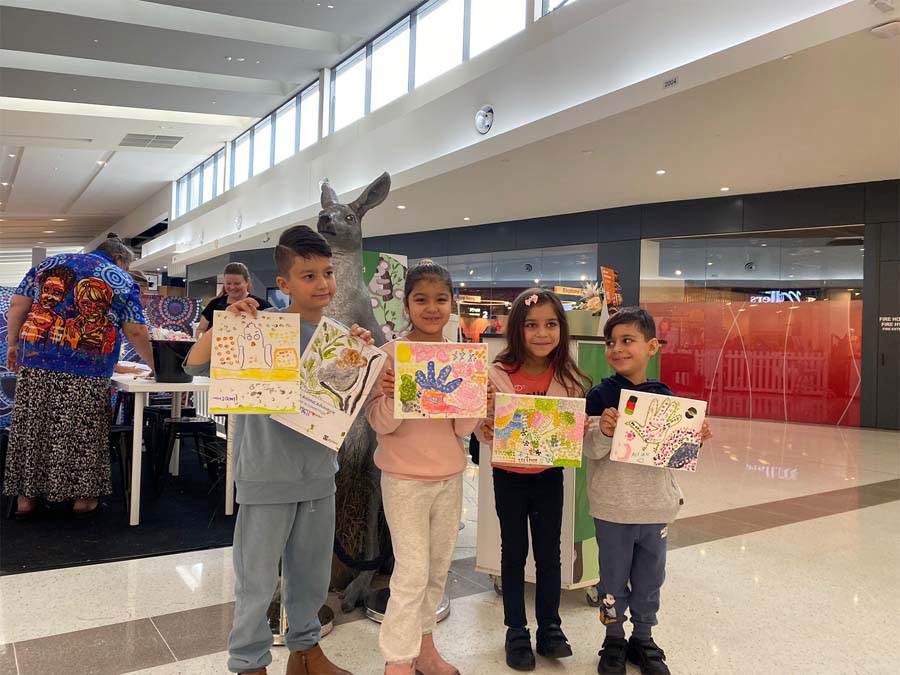
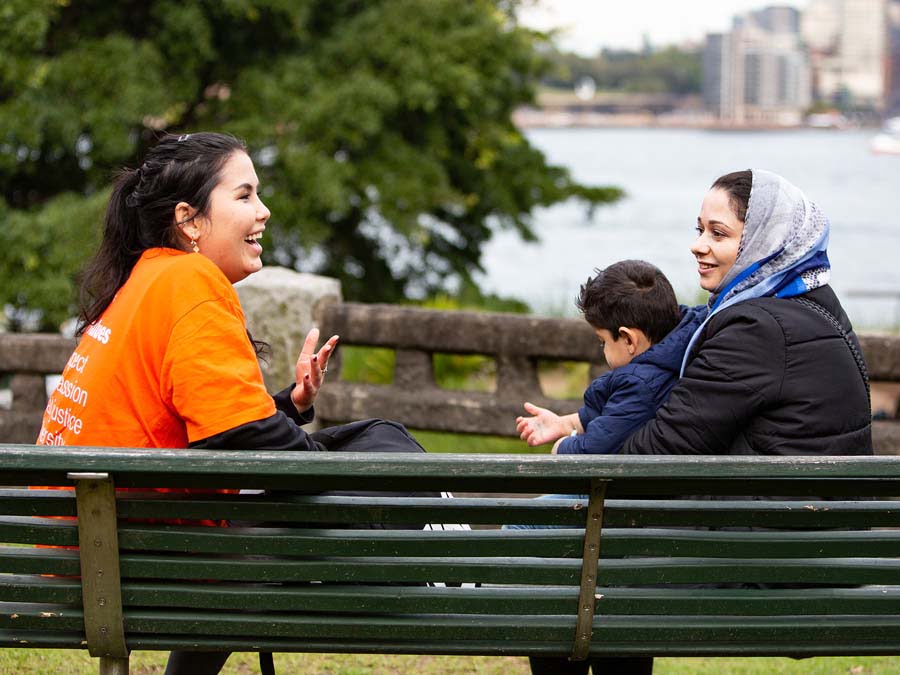
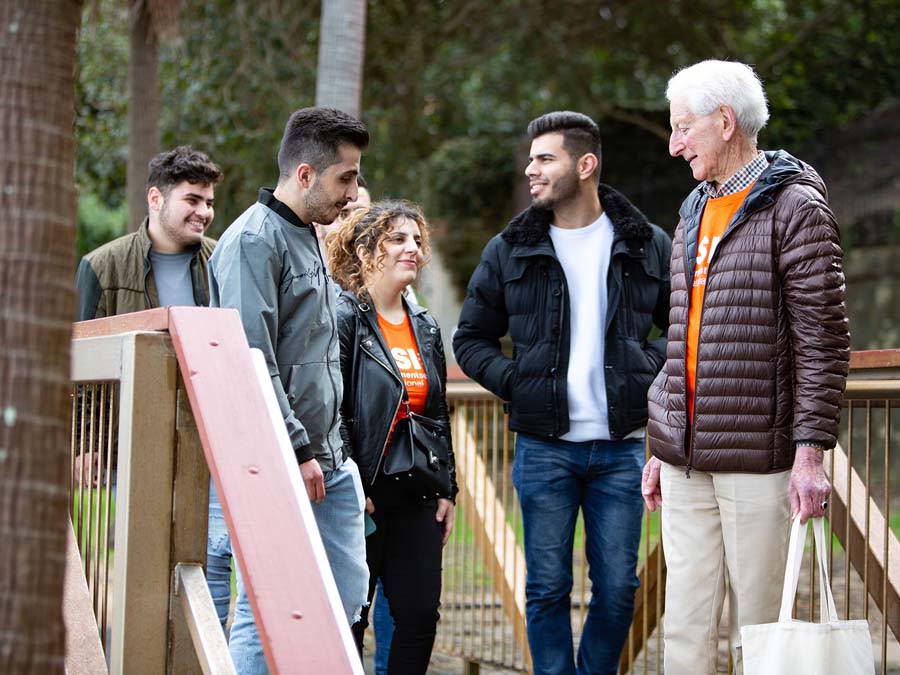
This program supports new arrivals from humanitarian backgrounds by connecting them with established locals to make them feel safe and welcome in their new home. It has encouraged cross-cultural relationships in Australian communities since 2018.
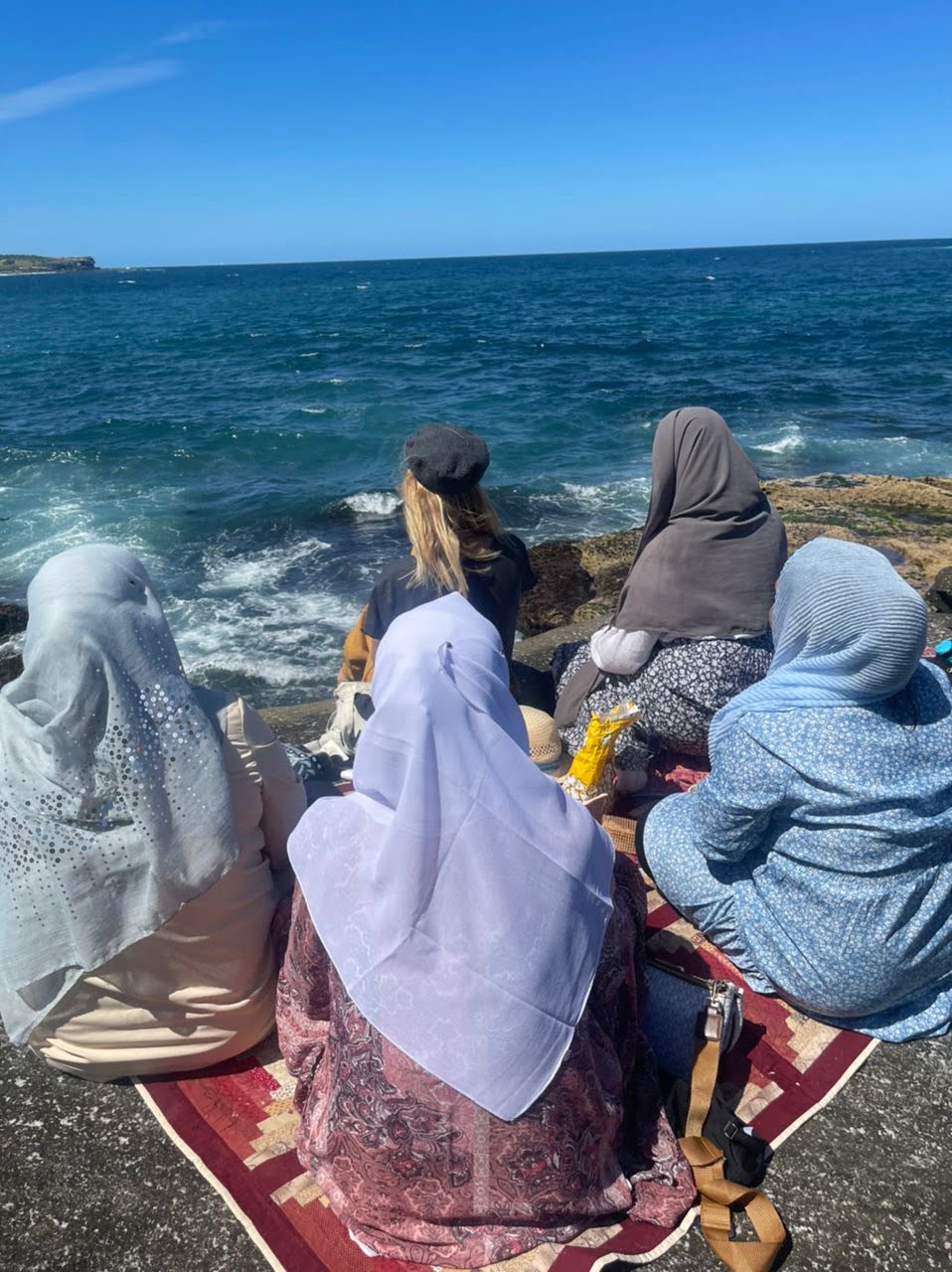
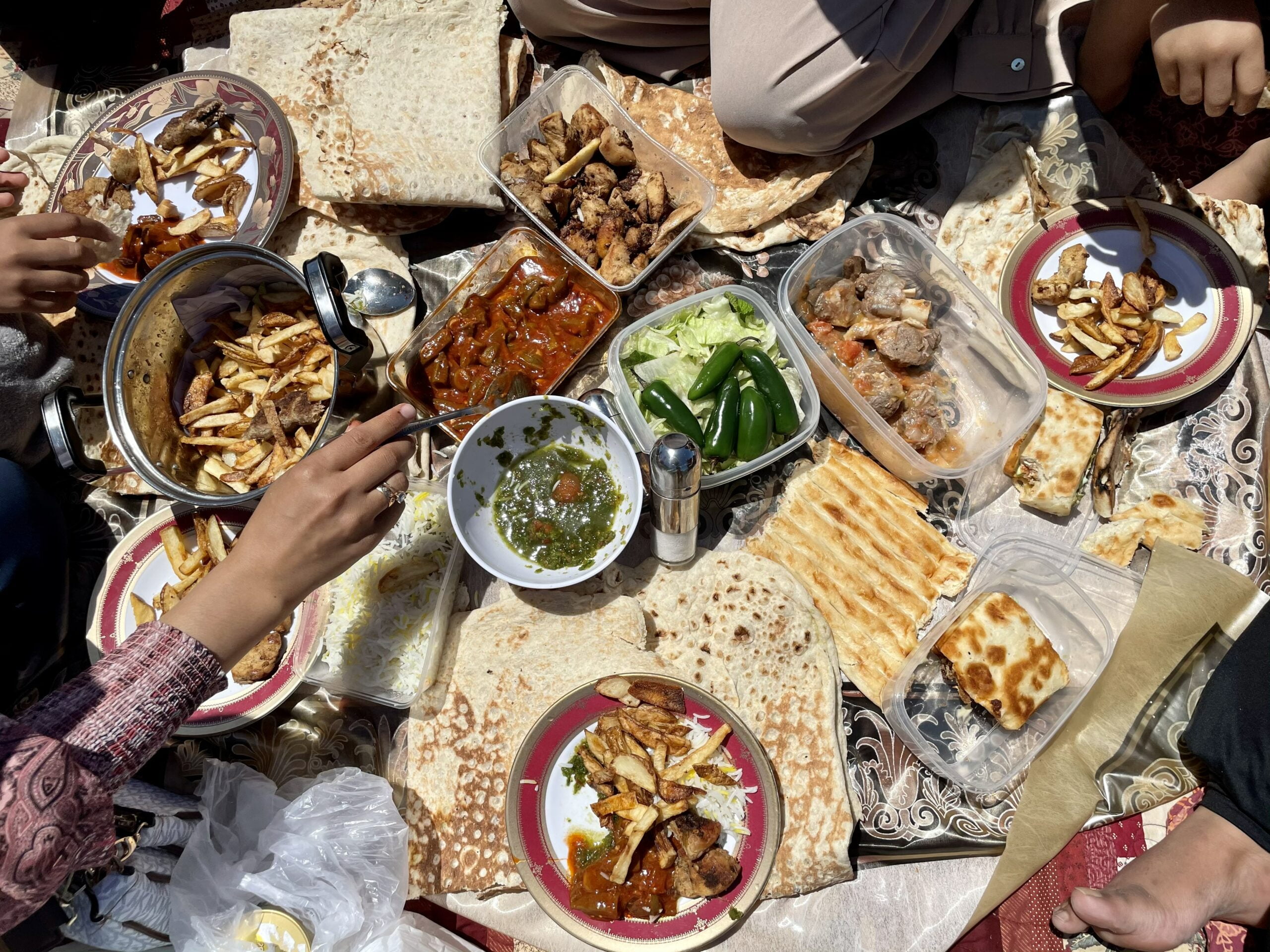
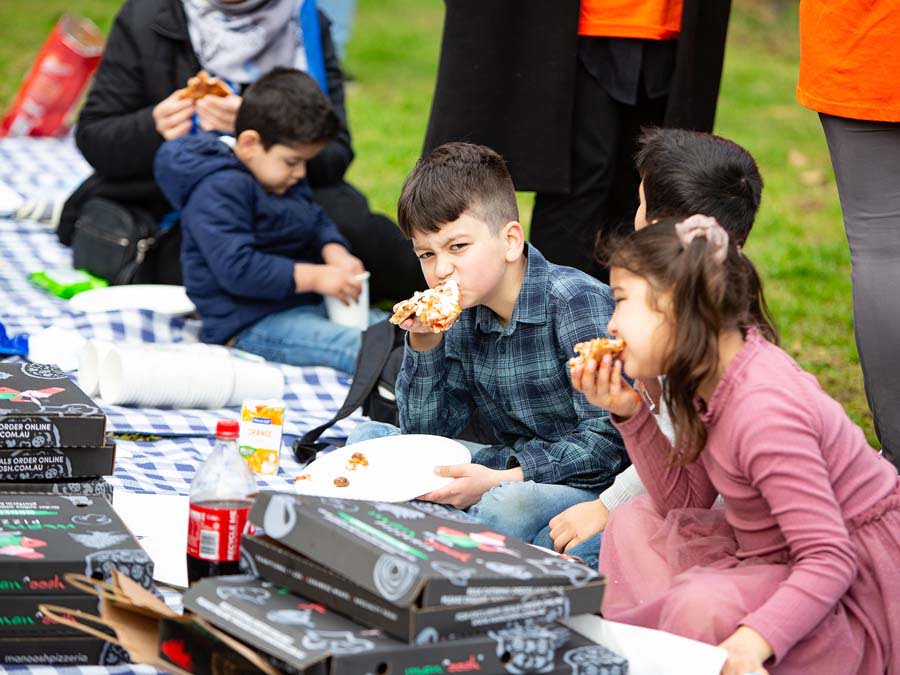
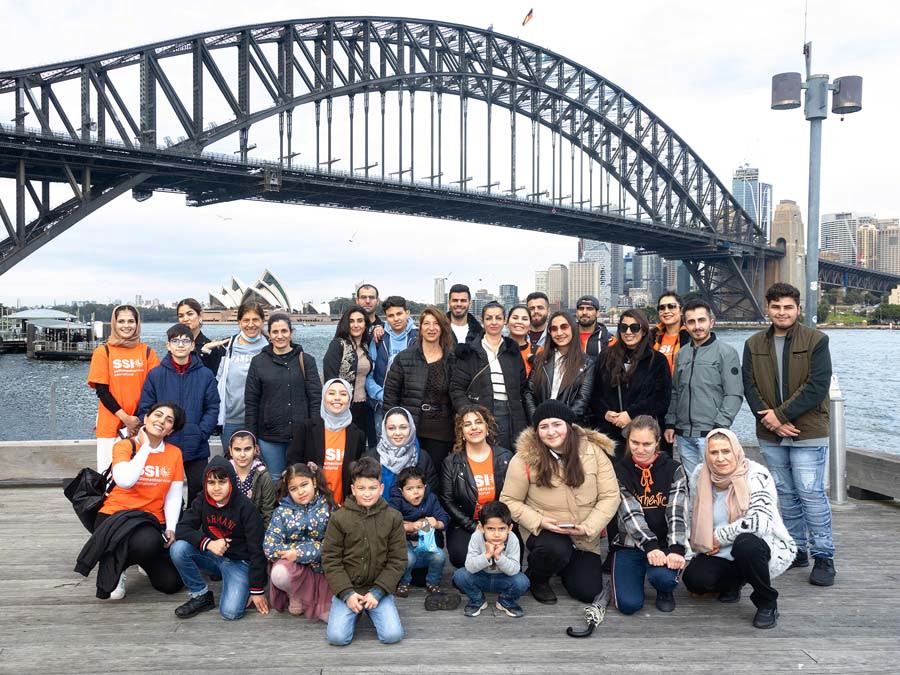
The volunteer Welcome Ambassadors come together with local newcomers to enjoy a group activity based on common interests — be it exploring iconic landmarks, or finding a scenic picnic spot to share a meal.
The program began as Welcome2Sydney (W2S), co-designed with the City of Sydney, and was then named the Welcome Project. Following its award-winning successes, it evolved into SSI’s Welcome Program to expand into areas outside of Sydney like Coffs Harbour where it launched in June 2022.


How to get involved
We run activities in Metropolitan Sydney and Coffs Harbour. Here is how to get involved:
- For newcomers from humanitarian backgrounds, join free events to meet locals or other newcomers in your area
- Individuals who want to volunteer with refugees can become Welcome Ambassadors
- Corporate teams can volunteer by hosting a welcome activity for newcomers
- Community partners can support us through connections to local activities and sites or hosting events. They include local governments, businesses, community groups and organisations and many others
Get in touch
Please email ssiwelcomeprogram@ssi.org.au to become part of SSI’s Welcome Program.
About RCNC
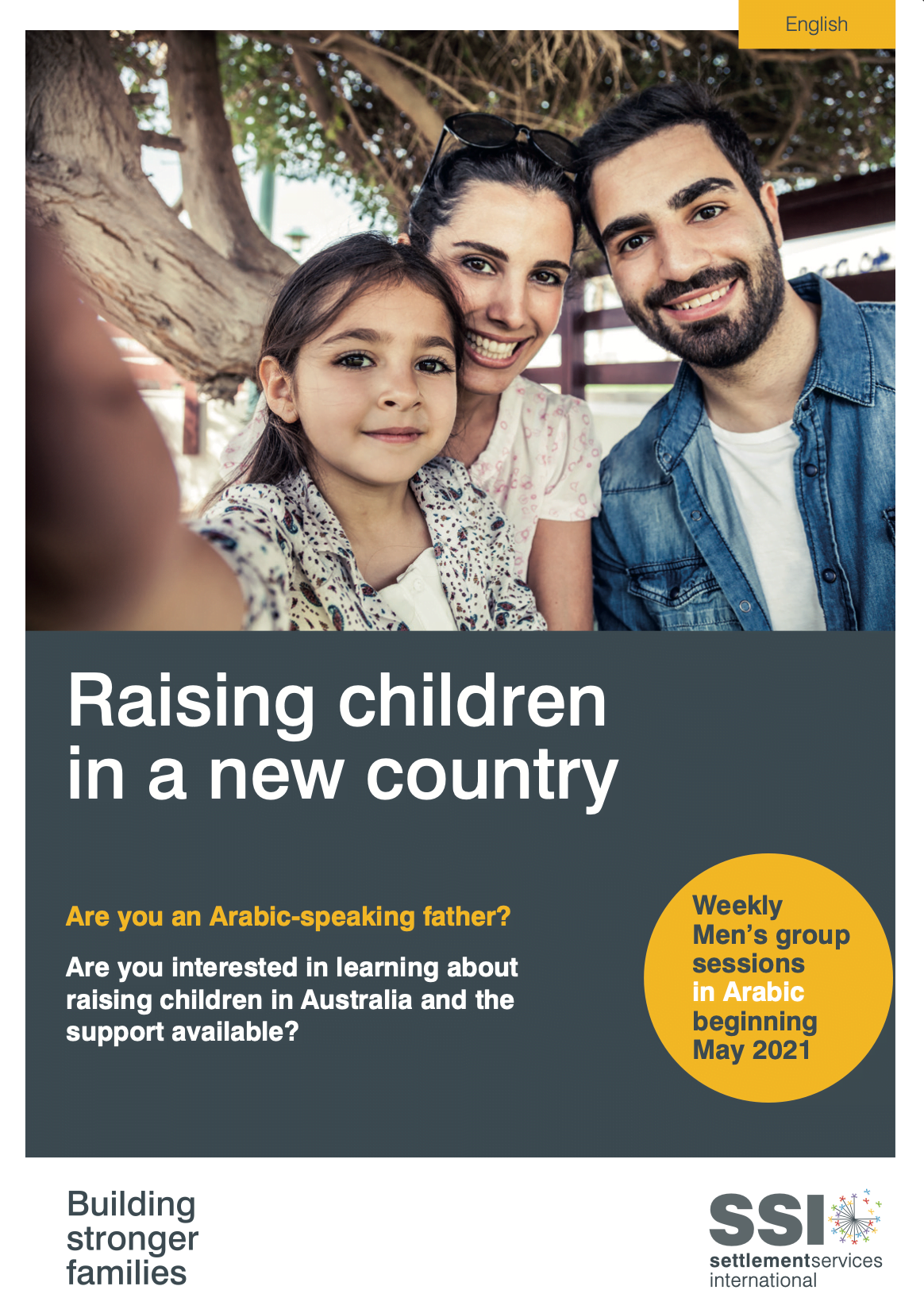
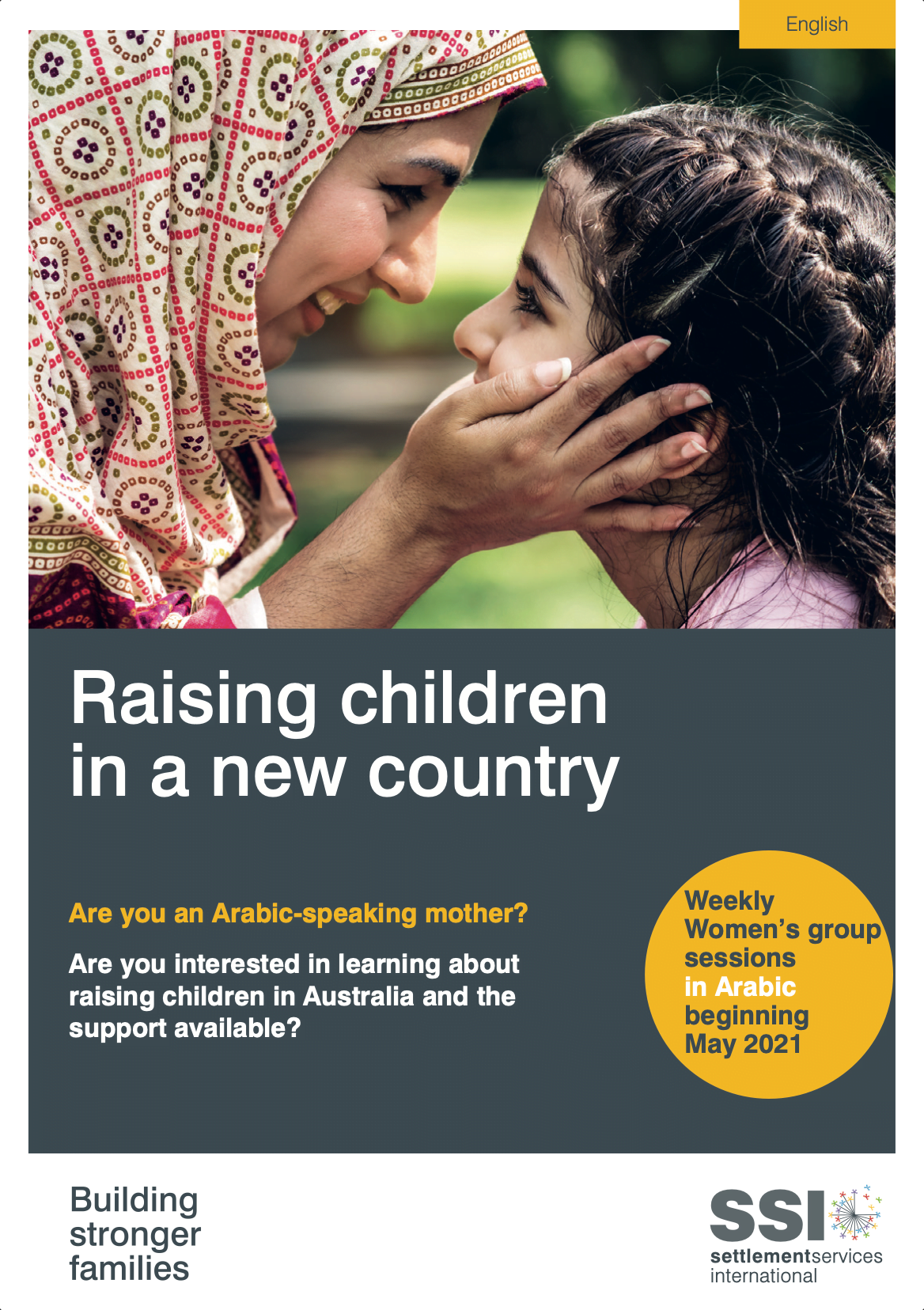
Bringing up children is a challenge for everyone. But raising them in a new country presents a unique set of problems and opportunities. Newcomers to Australia can experience confusion around local laws, conventions and social norms.
SSI’s Raising Children in a New Country program aims to provide parents with a better understanding of childcare at different stages of development, communication and discipline, the child protection system in Australia, and the education system. It is tailored for Tamil and Arabic-speaking parents.
No referral is required to access services. You can book the program by calling us on 02 8799 6700 or emailing us at info@ssi.org.au.
How we help



Resources
Get in touch
No referral is required to access services. You can book the program by calling us on 02 8799 6700 or emailing us at info@ssi.org.au.
About SSI Community Hubs
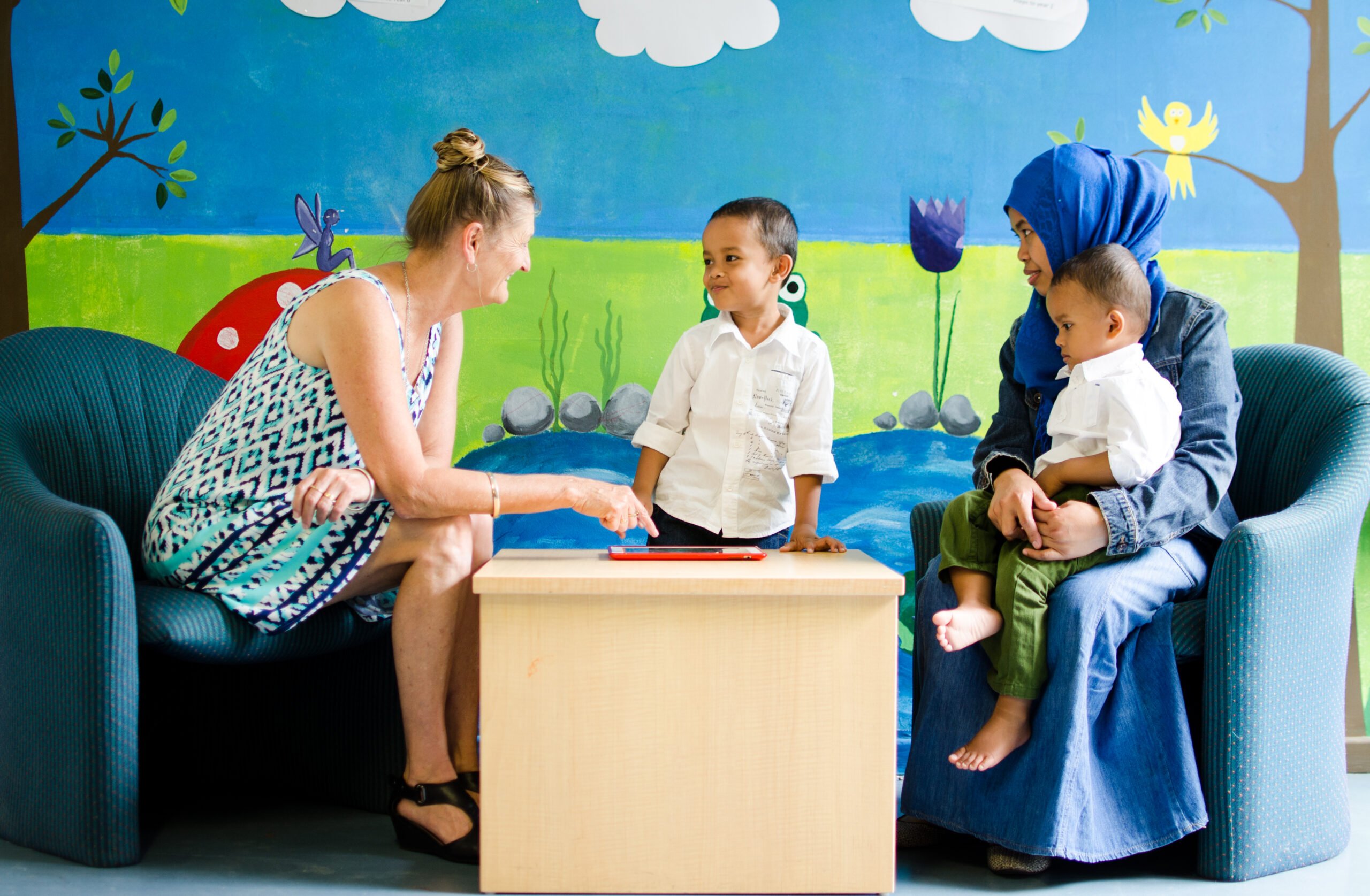
SSI Community Hubs brings local education, health, community, and settlement services together in a familiar and welcoming environment to make it easier for families with young children to access the services and assistance they need. The SSI Hub provides families with a sense of belonging and facilitates the development of friendships and support networks.
How we help



Find us and get in contact
SSI runs ten Hubs in NSW (Blacktown, Parramatta, Cumberland and Coffs Harbour) and ten Hubs in Queensland (Logan and Ipswich).
Each hub offers activities tailored to match the needs of the community, including early childhood support and education, English classes and vocational pathways.
Here’s where to find your nearest SSI Community Hub and how to get in touch.



Queensland
Contact our Hub Coordinator supporting hubs in Ipswich and Logan.
Maribel Marquez
communityhubs@ssi.org.au
0455 999 838
Fernbrooke State School
Ipswich
Queensland
Kruger State School
Ipswich
Queensland
Riverview State School
Ipswich
Queensland
Springfield Lakes State School

Ipswich
Queensland
Staines Memorial College
Ipswich
Queensland
Marsden State School
Logan
Queensland
St Francis College

Logan
Queensland
St Paul’s Catholic Primary School
Logan
Queensland
Woodridge North State School
Logan
Queensland
Woodridge State School
Logan
Queensland
Western Sydney
Contact our Hub Coordinator supporting our hubs in Parramatta, Cumberland and Blacktown.
Asami Iwasaki
communityhubs@ssi.org.au
0403 306 624
Parramatta West Public School
Parramatta
New South Wales
Rydalmere Public School

Parramatta
New South Wales
Granville Public School
Cumberland
New South Wales
Hilltop Road Public School
Cumberland
New South Wales
Westmead Public School
Cumberland
New South Wales
Bert Oldfield Public School
Blacktown
New South Wales
Kings Langley Public School
Blacktown
New South Wales
Coffs Harbour
Contact our Hub Coordinator supporting our hubs in Coffs Harbour.
Lisa Steward
communityhubs@ssi.org.au
0423 796 035
Narranga Public State School
Coffs Harbour
New South Wales
Tyalla Public School
Coffs Harbour
New South Wales
William Bayldon Public School

Coffs Harbour
New South Wales
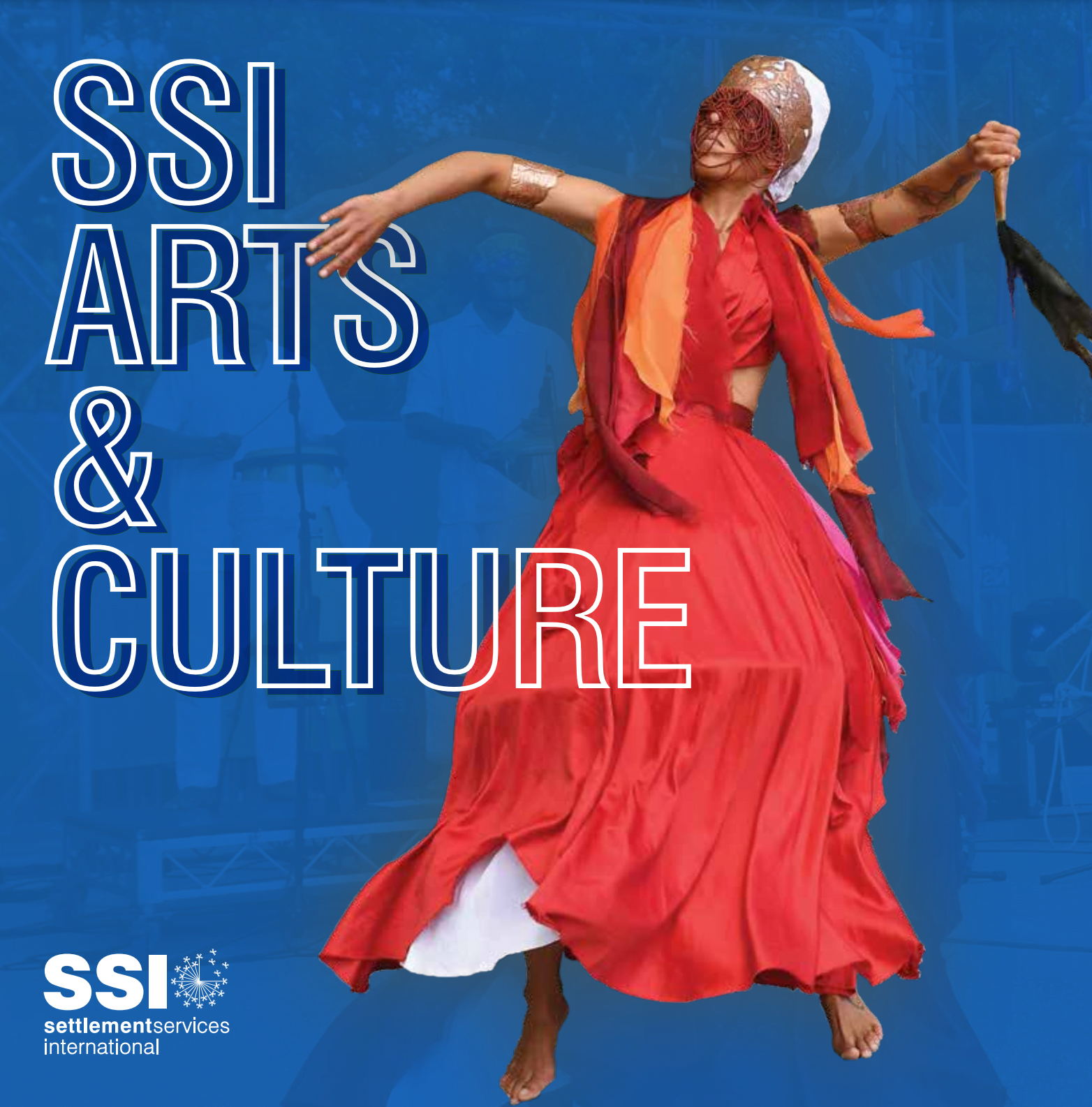
About SSI Arts & Culture
Everyone deserves the opportunity to develop their creative potential and participate meaningfully in Australia’s cultural life, which is a belief that inspires our Arts & Culture program.
Through community-led arts and culture initiatives, we empower individuals through self-expression, bring communities together through connection, and help build a stronger society where everyone is valued.
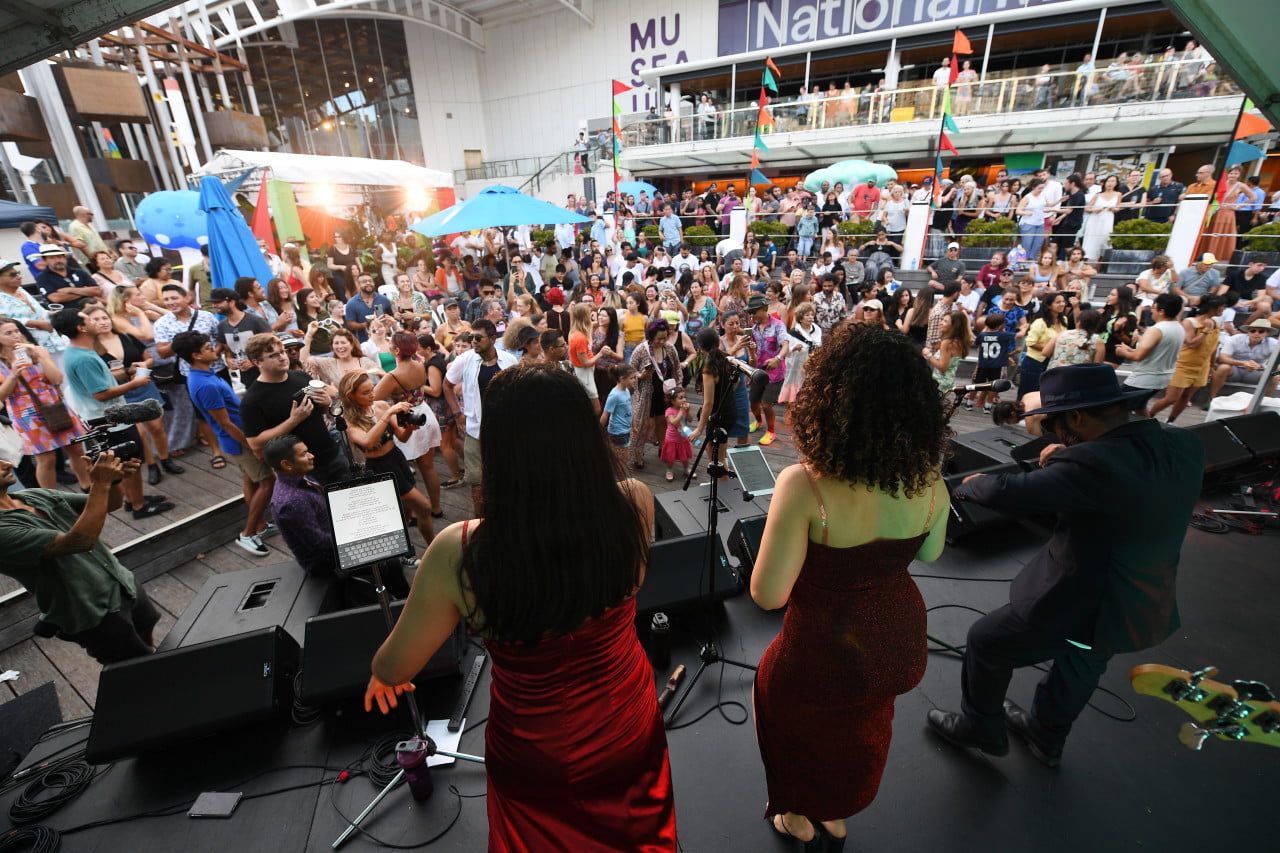
Our flagship event, New Beginnings Festival, takes over Darling Harbour once a year to welcome everyone to immerse themselves in eclectic sounds and tastes from all over the world.
How we help


More about Arts & Culture
Partner with us
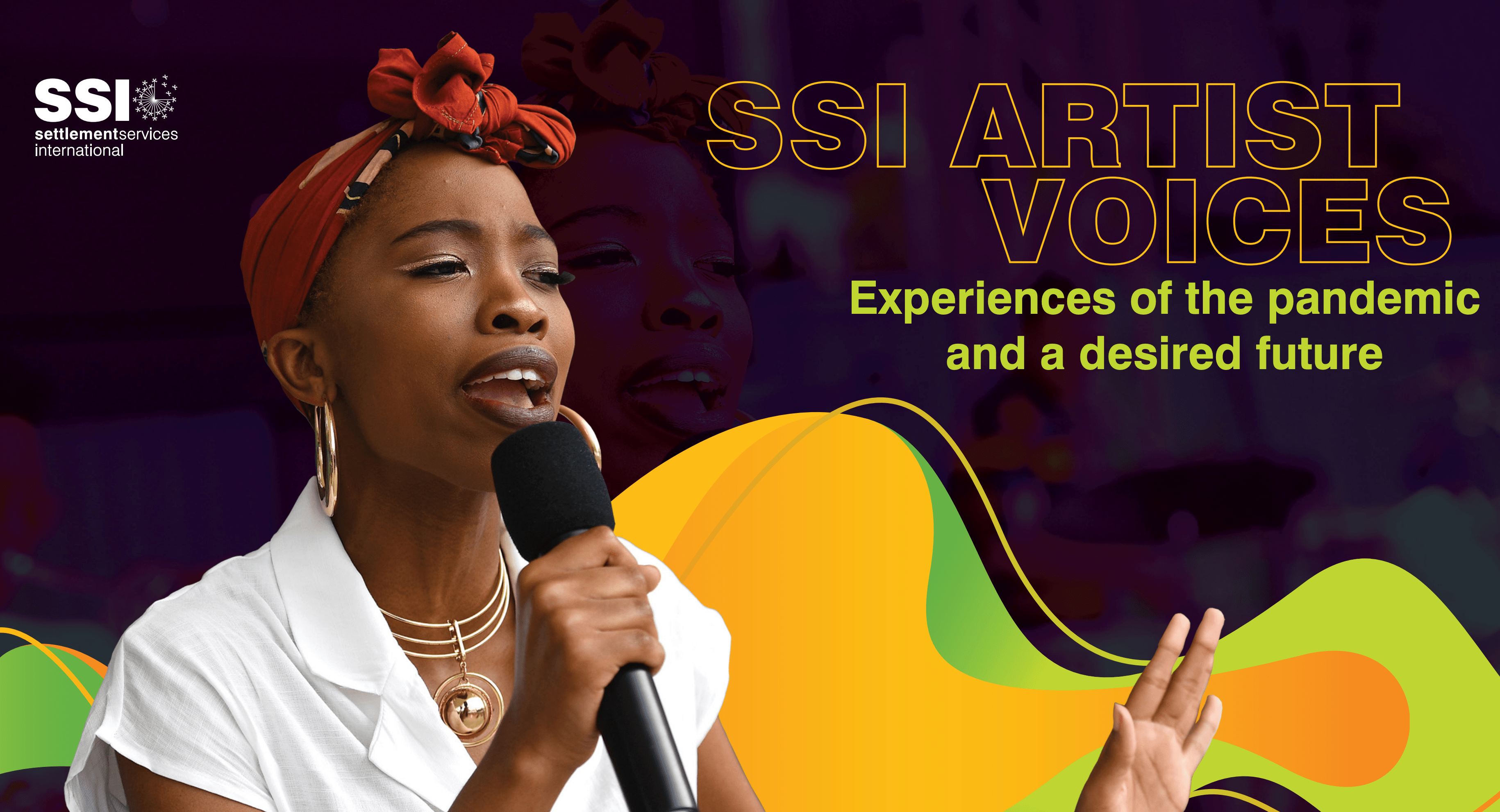
We partner with arts organisations and cultural workers to deliver an annual program of events, projects and workshops. We support artists and cultural practitioners from all backgrounds, including First Nations peoples and humanitarian entrants, through artistic development programs and offering opportunities to perform and showcase their work.
We also offer a range of sponsorship, partnership and donation opportunities. Learn how your organisation can support the movement towards a more harmonious, inclusive and culturally enriched Australia.
Email info@ssi.org.au to speak with our friendly team.

Every child deserves a home where they feel safe, understood, and celebrated for who they are.
By opening your heart and home as a foster carer, you can provide safety and stability for a child in need.
At SSI, we do more than match children with carers – we create connections that honour culture, identity, and traditions. Because every child deserves to feel at home.
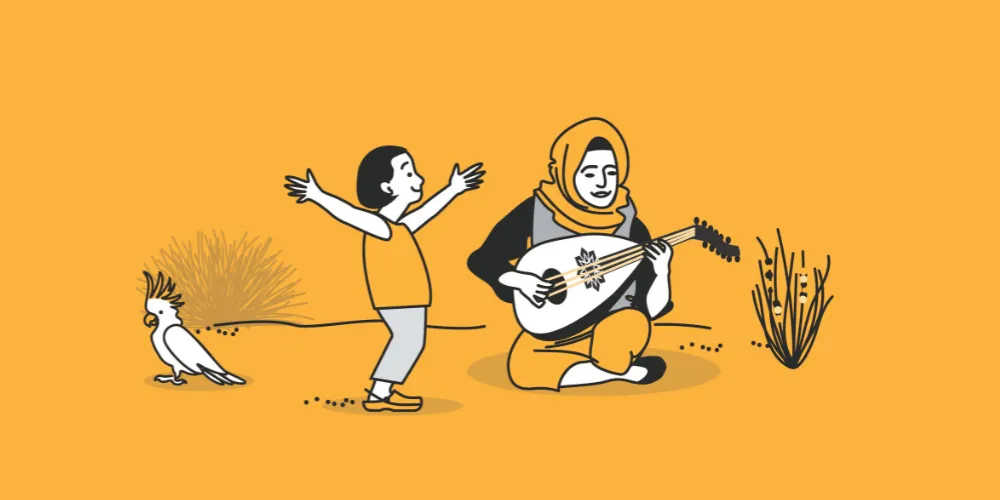
Share your culture or learn about theirs.
Whether you share their heritage or are ready to learn and grow alongside them, what truly matters is your care and commitment to making a positive difference in a child’s life.
How we support you
As an SSI foster carer, you’re never alone on your path to making a difference in a child’s life.
Streamlined onboarding and training
We make the process simple with flexible online training and minimal paperwork.

Tailored support
Our bilingual caseworkers offer personalised care.

24/7 support
Get regular check-ins and access to 24-hour on-call assistance whenever you need it.

Access to financial support
Foster carers receive a carer allowance to help meet the cost of caring for a child.
You can make a lasting difference in a child's life as a foster carer.
For children in care, every foster carer becomes a unique chapter in their story. No matter the length, the time a child is in your care matters.
The stories of these incredible young adults are a testament to the impact that foster carers can have on a child’s life.
Get in touch
SSI operates the Multicultural Child and Family Program in parts of metropolitan Sydney as well as the Hunter region and Central Coast.
NSW
P: 1800 299 447
E: fostercare@ssi.org.au
About SSI Multicultural Foster Care
For over a decade, we have advocated that every child has a right to a safe, happy and permanent home connected to family and community. Our specialty is in connecting children from diverse backgrounds with foster carers who can help them maintain their connection to culture, religion, and language.
We are always looking for a diverse range of foster carers, but you don’t need to be from the same cultural background as a child in order to be a foster carer. What truly matters is your care and commitment to making a positive difference in a child’s life.
Frequently asked questions
Foster care offers children a home while their own family is unable to provide them with a safe or caring home environment. Children in foster care are aged from 0 to 18 years.
Depending on their circumstances, a child may be in foster care for a few days, a few weeks or for many years. Sometimes they may remain permanently in the care of foster carers.
In NSW, there are about 20,000 children not able to live with their birth parents. Of these, about 15% are from a culturally and linguistically diverse (CALD) background.
Many children who need foster care have experienced trauma and various forms of abuse and can’t continue to live with their birth family. Wherever possible, the intention is to get children back living safely with their birth families.
Foster care is required when there are no extended family members or other suitable people to provide immediate or long term care.
When a child has been separated from their family because of ongoing child protection concerns, the Children’s Court and the relevant state government department are involved in making the decisions about children’s care.
There are four main types of foster care:
Respite foster care is regular periodic care. Children are looked after for short periods of time to provide birth parents or foster carers with a break, for example over school holidays or weekends.
Emergency or crisis foster care is required when there is immediate concern for a child’s safety. The duration can be from one night to a few weeks, or until another foster care arrangement is available.
Short-term foster care is required when there is a possibility that the situation that caused a child to be removed from their birth family may be resolved and they will be able to return (called restoration) or until another carer is found who is committed to providing long term care for the child.
Long-term foster care refers to caring for a child who is not expected to return to their birth family, and who will therefore need long-term care and be part of your family.
Becoming a foster carer
Foster carers care for children and young people who can’t live safely with their family. They provide safe and caring homes for these vulnerable children. By providing guidance, support and encouragement, foster carers make a real difference to the lives of children in care. Foster carers are trained, assessed and authorised to provide foster care.
Anyone can apply to become a foster carer as long as they meet the conditions set out below. Applicants must be:
– over 21 years of age
– an Australian citizen or permanent resident
– in good physical and emotional health without any medical condition that may affect their ability to care for a child or young person
SSI recognises that foster carers can have different personal and family circumstances. Foster carers can be:
– single, married or in a de facto relationship
– renting, buying or you may own your home
– working or not working
– a parent or someone who has a strong interest in helping children
Check your eligibility with our quiz!
The important qualities of a foster carer include:
– Empathy and good listening skills
– Perseverance and adaptability when things get tough
– Flexibility, patience and humour
– Ability to provide a safe, loving and caring home environment
– An ability to guide and discipline children without the use of physical punishment
– A willingness to work with other people in the child’s life such as birth parents and caseworkers
– A willingness to support the child to develop a sense of identity that includes their culture, language and religion, where appropriate.
– Be willing to learn and understand the impact of trauma on a child
– Able to balance your family’s needs, finances, interests and supports with the needs of the child
– Happy to participate in meetings and training
If you are interested in becoming a foster carer with SSI please contact us on:
P: 1800 960 976 or 02 8713 9200
E: fostercare@ssi.org.au
You can also check your eligibility and get in touch by completing our quiz.
Once you complete our quiz or get in touch, we will arrange a time to speak with you and your family about foster care, what it involves, and how to apply.
You will be provided with written information about our service and an application form. Once you have gathered the information you need and you decide you want to proceed, the next step will be to submit the application form to us.
You will then be invited to participate in an assessment process that will help us determine whether you can become a foster carer with our service.
The process includes:
– You and all adults in the household will have to complete a Health Check, Police Check, a Working with Children Check and referee checks
– Participating in training (Shared Lives) which covers nine topics and usually takes about 20 hours in total, either on weekends or evening sessions, in person or online
– A series of one on one interviews at your home to focus on your interests, skills, strengths and ability to take on the foster care role.
Being unique and different is part of what makes every one of us special. Every child and their birth family is different. Foster carers make a significant contribution by caring for vulnerable children in need of care and stability. Some children may show signs of stress, worry and uncertainty. Some may seem quiet, others may seem troublesome.
Child abuse causes trauma and harms how a child’s brain and emotions develop and how they learn to behave and react to situations.
Some children may show their anxiety, fear and confusion by not wanting to be a part of a family and withdrawing. Others may show behaviour that could be described as difficult or
challenging such as talking back, being angry, not listening, not eating or sleeping, not being able to regulate their emotions, throwing tantrums or running away.
Some children have never had routine in their lives and will need extra amounts of love, understanding and patience to help them learn new ways of behaving. The longer a child has not had stability and emotional support, the more time they will need to accept a different way of being cared for.
Maintaining or rebuilding relationships between children and their biological parents, siblings and family is continued when it is safe for the child. Many parents struggle to understand their roles when they are not caring for their children and this can raise many emotions including anger, loss, confusion and hope. How carers talk about children’s biological parents will influence how a child sees their family.
It is important that visits are safe, helpful and a good experience. It is also beneficial for children to see their carers have contact with their birth family. It gives them positive messages about people’s ability to communicate despite the situation.
Foster carers receive financial support in the form of a carer allowance. This allowance is to help cover the day-to-day costs of caring for a child and is not considered an income and therefore not taxable. The amount depends on the state or territory, and the age and needs of the child or young person in care.
You can find the latest guidelines on carer allowances for NSW here.
Foster care at SSI
SSI provides foster carers and casework support for all children, with a strong focus on children from culturally and linguistically diverse (CALD) backgrounds.
We deliver a specialist out-of-home care service that provides a culturally appropriate model of foster care for children and young people from CALD backgrounds aged 0-18 years in NSW.
While SSI has a strong focus on recruiting foster carers from CALD backgrounds, we recruit carers from any background if they have a genuine desire to provide a safe and caring home for children.
We are staffed by bilingual case workers and managers with cross cultural and out-of-home care casework skills and knowledge. We also work closely with community organisations, community leaders, women’s groups, religious organisations and other relevant services, in the recruitment and support of foster carers.
At SSI, we believe children in care who are supported to learn about and maintain a connection to their culture, religion and language have better outcomes as they grow up than those who are not supported in this way. These connections help children to understand where they have come from and to develop their sense of belonging and identity.
Helping children stay connected with their ethnic background, language and religion can also help children maintain positive relationships with their birth parents, extended family and community. This is important should children be returned to parental care, and in staying connected into their adult years.
Our service provides:
– General foster care and case management to meet the full needs of the child
– Foster carers from the child’s cultural background where possible
– Bilingual and bicultural case managers
– Cultural care planning to promote connections with their culture, religion, language and community
– Access to counseling and support services for children from refugee backgrounds
SSI Multicultural Foster Care works closely with foster carers to ensure they have the support they need.
A range of support services are available including:
– Carer assessment processes conducted in either English or community languages
– Initial and ongoing training conducted in English or community languages
– A professional caseworker to support you and the child
– Bilingual caseworkers who understand the child’s culture
– Monthly visits and regular phone contact with your caseworker
– Access to 24-hour on-call phone support for crisis situations
– General and culturally specific support groups for example, Vietnamese carers group, Arabic carers group
– Respite foster care
– Financial support to meet the day-to-day cost of caring for the child through a foster care allowance (for NSW carers, please refer to the Department of Communities and Justice website)
– Referrals to a range of support services for you and the child
If you are interested in becoming a foster carer with SSI please contact us on:
NSW
P: 1800 960 976 or 02 8713 9200
E: fostercare@ssi.org.au
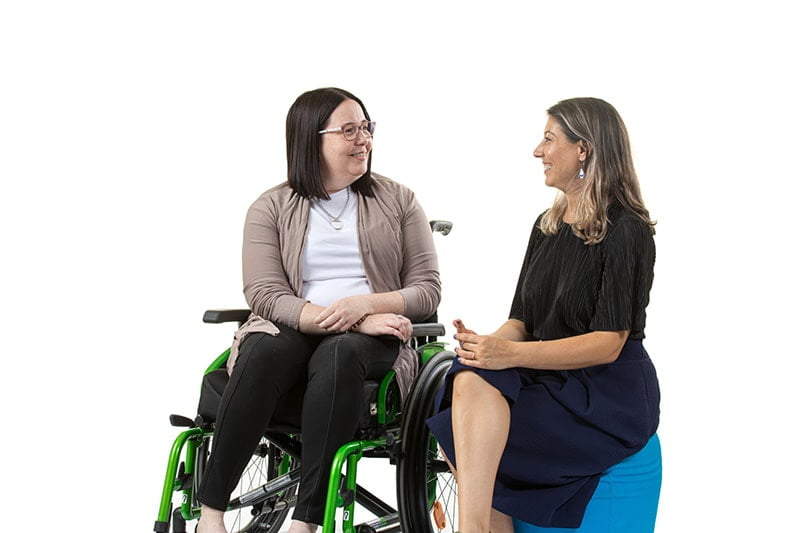
Passion into possibility
At SSI, we believe that everyone deserves the opportunity to thrive—whether through employment, upskilling, or building their own business. That’s why our Employment Services division offers a powerful and person-centred approach, designed to put your goals at the heart of everything we do.
Ignite, our flagship program, is embedded within Employment Services, bringing together entrepreneurial insights and practical supports to offer real choice and flexibility. From skills development to self-employment pathways, we help you shape a future that’s meaningful to you. With specialisation helping entrepreneurs with disability, and supporting women with aspirations to explore self-employment, our programs are tailored to meet your needs.
Whether you’re ready to step into the workforce, explore a business idea, or gain the confidence and skills to take your next step, we’re here to support your journey—every step of the way.
How we can help

Work at your own pace, learn about the basics of self-employment and download useful tools and templates.

Available to women and people with disability. Receive custom support and planning to explore your business idea.
Apply for 1:1 mentoring
SSI’s Ignite mentoring program is available for individuals who have:
- a solid business idea,
- skills to match their idea,
- passion and enthusiasm for running the business and
- most importantly, have time to develop that idea.
Currently we have a program that is specifically for:
- People with disability interested in starting a business,
- People who are carers of people with disability.
Still needing to know more about starting a business? For all stages and abilities, we recommend Ignite’s Exploring Self-Employment e-learning course. It’s available to anyone interested in self-employment and small business. You can:
- work at your own pace
- learn the basics of self-employment
- access useful tools and templates
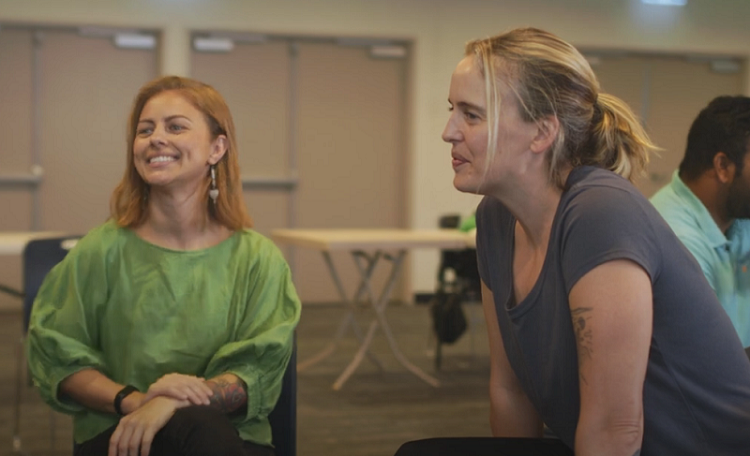
You don’t have to do it alone. Join our mentoring program for self-employment support.
Volunteer with us
Our volunteer team consists of business volunteers, low-bono professionals, pro-bono industry mentors/experts and students. If you are passionate about giving back to the community, supporting those with barriers to receiving mainstream support and believe in economic participation for all, we would love to hear from you.
Our goal for clients is to help expand their networks with service providers and supporters that are safe, kind and caring, knowledgeable and invested in helping others to develop their businesses.
Click here to view our volunteering opportunities and to apply.
Visit some of our Ignite client businesses
We’re proud to showcase a range of businesses we’ve worked with. For your convenience, we’ve included links to their websites.
Please note that since we don’t maintain these external sites, we can’t guarantee the links will always be active or up to date. If you encounter a broken link, feel free to let us know.
Get in touch
News
News
04 Oct 2023
Media releases
30 Aug 2023

About SRSS
The Federal Government’s Status Resolution Support Services (SRSS) program provides assistance to eligible asylum seekers, including accessing financial support, accommodation, healthcare, employment and education.
We deliver the SRSS program to eligible people seeking asylum living in the community on bridging visas. We are one of two national providers delivering services in NSW, ACT, Queensland, Northern Territory, Victoria and Tasmania.
How we help

Get in touch
National Phone Number: 1800asylum which is 1800 279 586 or 02 9685 0100
Hours of Operation: 9am to 5pm (Monday to Friday)
If you would like to apply for SRSS support and payments or if you would like to refer someone for SRSS, please complete this online form. One of our friendly intake officers will support you through the application process.
Program funded by Australian Government Department of Home Affairs
About Diversity Training
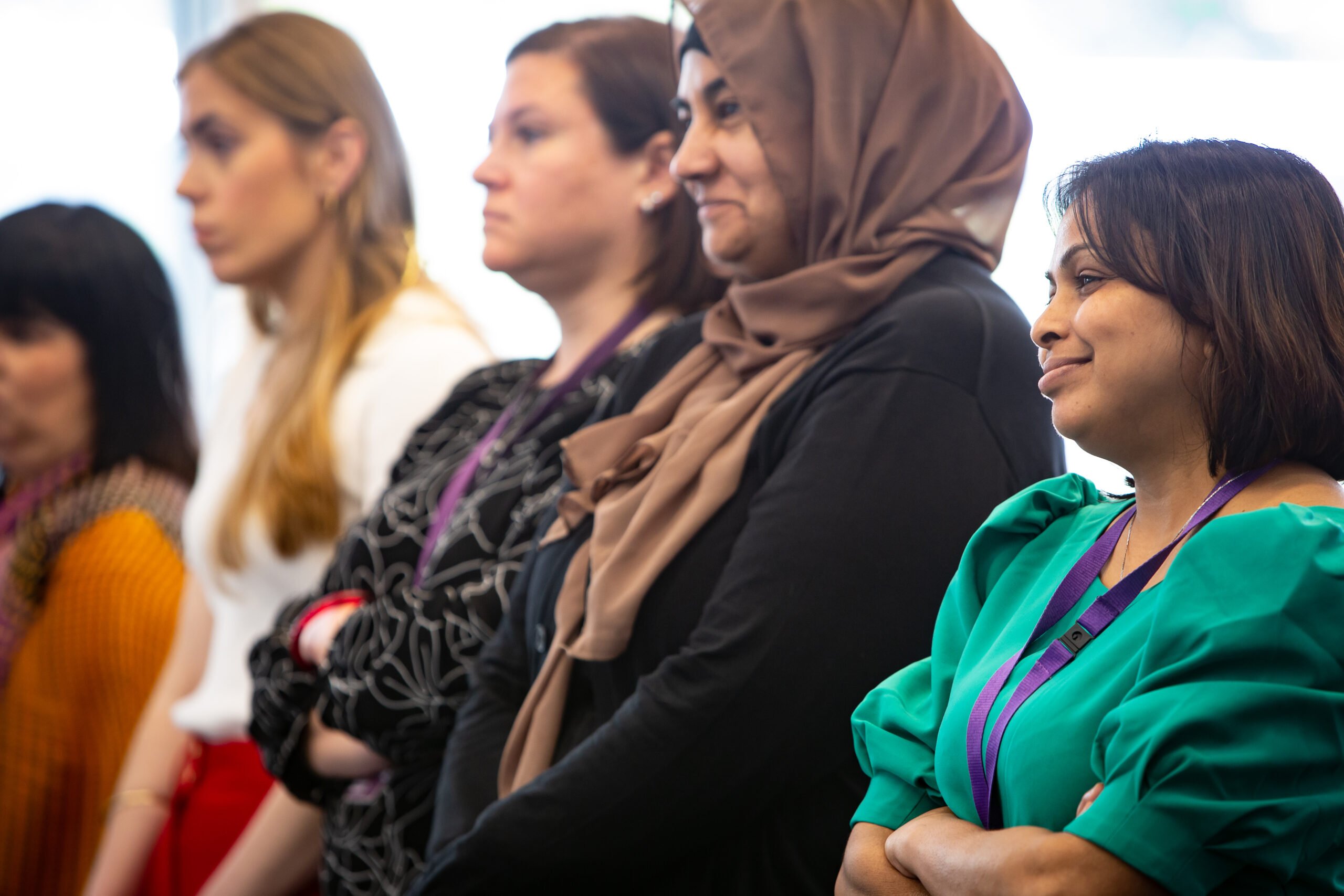
Australia is a vibrant, multicultural society, with one in four residents born overseas and over 400 languages spoken. Yet few businesses and organisations fully harness the enormous potential diversity offers.
Based on more than 20 years’ experience as a leading provider of services to multicultural communities, SSI’s Diversity Training transforms how people respond to diversity in ways that are thought-provoking, inspire curiosity, and build confidence.
We are committed to a diverse and inclusive society where everyone is valued and can meaningfully participate and meet their potential. Through positive learning and sharing stories, we empower people to engage more effectively with people around them – no matter their background.
What we offer
Perfect for building a common understanding among staff of how to respond inclusively in a multicultural context.
Preview or enrol in our courses here:
2-3 hour interactive online or in-person training.
Our interactive workshops are the ideal choice for cultivating staff confidence, promoting critical thinking, and facilitating the practical application of culturally responsive practices.
Specialise in a subject or skill related to their role.
Workshop titles include: Leading culturally diverse teams, Engaging multicultural communities, Working with Language Services, Attracting and recruiting a culturally and linguistically diverse workforce.
Customised workshops or new content design to meet your needs.
We have customised our training to a diverse range of contexts, such as: Child safety, Out-of-home care, Justice, Refugee, Early childhood, Addiction, Mental health, LGBTIQ, Disability.
How we help


Our impact
500
workshops
delivered by SSI
7,000
people
trained
96
of participants
rated our workshops positively in the past two years
Helpful resources
Developing a culturally responsive and inclusive workforce.
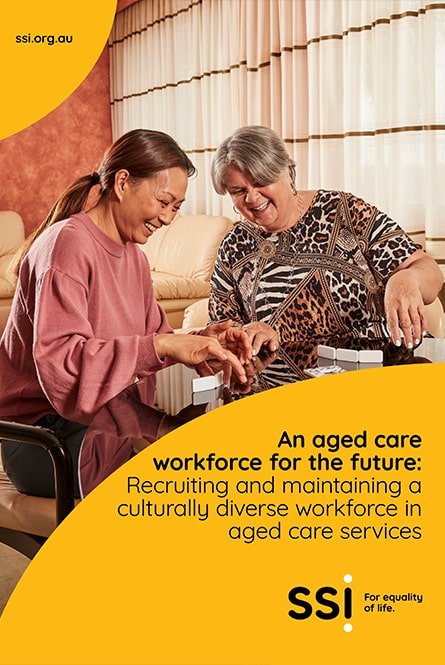
Recruiting and maintaining a culturally diverse workforce in aged care services.
Workshops available
We have three online learning courses currently available:
• Introduction to culturally responsive practice: Explores how we can be culturally responsive and inclusive when working with colleagues and communities from diverse cultural backgrounds.
• Working with interpreters: Working with professional interpreters is a key skill needed to ensure equitable access to services and quality client outcomes.
• Culturally responsive support in aged care: Designed for workers who provide support services for older people in their home.
Our e-learning courses can be accessed as an individual learner through our online platform. We can also bulk enrol your team or organisation or add the training module to your Learning Management System through a licensing agreement.
Preview or enrol in our courses here:
diversity.ssi.org.au
Culturally responsive practice training is a reflective process that will help participants gain an insight into their own organisational culture, behaviours, and practices to make their services more accessible and avoid creating service-related barriers.
We have customised versions of this workshop for different contexts, including disability, aged home care, refugee support services, child safety and out-of-home care, schools, early childhood and volunteer management. Our team can adjust this workshop to suit most contexts or sectors.
This cultural diversity training workshop assists people leading and working in diverse teams to work more effectively and inclusively. There are many benefits of a diverse workforce but this can only be realised when we act to build inclusion, grow self-awareness and cultural humility.
This workshop builds on our Fundamentals course and examines the critical role of leadership in creating an inclusive work environment to unlock the full potential of a culturally diverse workforce and explore ways to effectively demonstrate inclusive leadership traits.
Customer service staff are the first point of contact for customers and clients and have significant influence on the organisation’s reputation. This workshop assists customer service staff to communicate effectively, build trust and be responsive to culturally and linguistically diverse communities.
A key reason why Culturally and Linguistically Diverse (CALD) communities do not access services at the same rate as the broader population is that they are often not aware of the services that exist or what their entitlements are. This workshop will look at community engagement as an approach to build capacity with a focus on minimising barriers experienced by CALD communities.
This workshop provides participants with essential skills to work effectively with interpreters to better engage and communicate with diverse communities.
To attract and recruit culturally diverse workers, organisations must look beyond the traditional recruitment channels and consciously adopt targeted and flexible approaches as well as build supportive and inclusive workplaces.
This workshop will assist non-clinical workers to respond to people in a trauma-informed way, minimising retraumatising people and providing services that support recovery.
Supporting positive cultural identity for children and young people from migrant and refugee backgrounds in care is easier said than done. This course aims to support practitioners in finding more meaningful and practical ways to support a child’s development of a positive cultural identity.
Free, nationally accredited training to help frontline workers recognise the signs of domestic and family violence, and know what to do next. Organised in partnership with Lifeline. Learn more here.
What others think
“The sessions were facilitated by a highly skilled trainer and included thought-provoking content, yet with highly practical applications for our employees. The training helped our teams develop greater empathy for others, and we now have a new appreciation for culturally responsive practices.”

“Settlement Services International have provided our organisation with extremely rich and valuable learning.”
“I loved the e-learning! There was a nice blend of empirical and non-empirical information. I liked that it that invited the reader to locate themselves within the narrative and then offered a framework whereby they could challenge and/or build their understanding.”
Our facilitators
Our facilitators are an experienced, passionate team who have lived experience working in culturally diverse workplaces, and are skilled in the design and delivery of transformative learning experiences that are culturally responsive and trauma-informed.
For more information, you can reach out to us:
Get in touch
Get in contact to find out how your organisation can live and breathe diversity.
Fields with a * are required.
Please tell us about yourself:
Why choose us
- We live and breathe diversity with a team that speaks over 100 languages. Our training is grounded in 20+ years of experience of providing services to culturally and linguistically diverse communities.
- We know how to harness diversity because in any given year, SSI delivers culturally responsive services to more than 50,000 people from mixed cultural and social backgrounds.
- We are a certified social enterprise and training with us will also help you meet your social procurement goals.
- Fuss-free procurement as we are available through supplier lists such as Local Buy and VendorPanel.
About Emergency Relief
A personal or financial crisis can make it hard for a vulnerable individual to pay for the essentials of life. The Department of Social Services funds SSI to provide emergency relief services to people experiencing financial distress or hardship and have limited means or resources.
Forms of support can include food and fuel vouchers, part payment of bills, food parcels and clothing, budgeting assistance, and referrals to other support services. We complete more intensive referrals for people with complex needs.
SSI delivers Emergency Relief in the following regions:
- Ipswich, Queensland
- North Brisbane, Queensland
- Parramatta, New South Wales
- South East Melbourne, Victoria
How we help

Get in touch
Fill in the form below to seek assistance.