


You could make a world of difference in a child’s life as a kinship or foster carer
When children cannot live with their parents, they need care that is safe, supportive, and connected to their family and culture.
Wherever possible, children are placed with family (kin).
When that’s not possible, we look to community members who can provide a culturally appropriate home.
Our approach
Children thrive when they are supported to learn about and maintain their culture, language and religion. This helps them:
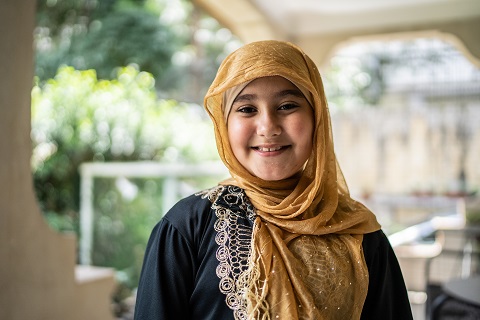
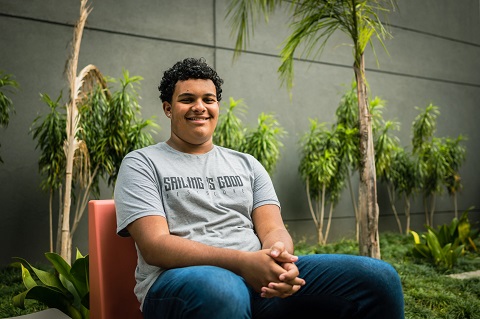

What is kinship care?
Kinship carers are approved to provide care in their own homes for a child or young person they are related to, or who knows them as part of their extended family or community. A kinship carer may be:
- A grandparent
- An aunt or uncle
- Another relative
- A close family friend
- For children from culturally and linguistically diverse (CALD) communities, kinship care may also include someone who is known to the child and shares the child’s community, culture, or language group.
SSI’s Multicultural Family Based Care Program works with and supports kinship and foster carers in Brisbane, Logan and Ipswich.
What is foster care?
- Foster carers are approved to provide care in their own home for children and young people who are not related to them biologically.
- This care can be short-term or long-term and is supported by a service provider – in this case, SSI.
Why become a kinship or foster carer?
Becoming a carer is a meaningful way to make a lasting difference in a child or young person’s life. As a kinship or foster carer, you’ll be supported every step of the way with:
- A chance to change a life – Provide safety, stability, and connection for a vulnerable child or young person.
- Ongoing support and training – Access tailored training programs and in-home assistance to help you feel confident in your role.
- Services for children in your care – Children can benefit from early intervention programs delivered through local community hubs.
- Specialist cultural guidance – Receive support from an organisation with expertise in CALD communities, ensuring culturally safe and sensitive care for both you and the children you support.
What we do
At SSI we believe every child deserves safety, belonging, and the chance to stay connected to their family, culture, and community.
The Multicultural Family Based Care Program supports children and young people who cannot live at home by:

Providing safe, culturally responsive kinship and foster care

Recruiting, training, and supporting carers from diverse cultural backgrounds

Working with families to keep children connected to their identity, language, and community
When children need to be in out of home care for their safety and wellbeing, the best outcome for them is to be placed with family wherever possible. If this isn’t possible, we help connect them with carers from their cultural community.
We also support families through a process called family mapping, which helps identify relatives or culturally appropriate carers who can provide children with stability while maintaining their important connections.
By strengthening family and community ties, this program helps children and young people grow up with love, stability, and a strong sense of identity.
Get in touch
If you’re interested in becoming a kinship or foster carer, or simply want to learn more, get in touch with our friendly team today. All conversations are free and confidential.
Call us on 0466 252 298
Email us at mfbc.logan@ssi.org.au
Fill in our contact form here
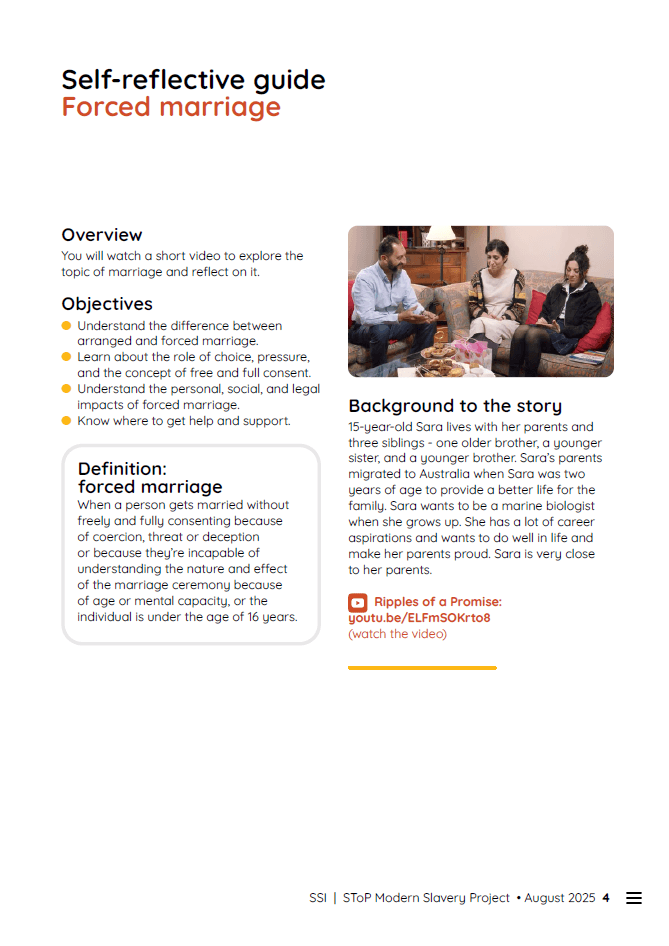
Self-reflective learning guide
This guide is designed for individuals who want to deepen their understanding of forced marriage, domestic servitude and labour exploitation through personal reflection. With each video there is a section with reflective questions, law, and information about support services.
Download guide
Download the guide for step-by-step instructions on how to use the videos.

This guide is for individuals to watch the films independently and engage in thoughtful reflection using the accompanying discussion questions provided under each story.
You can also download the individual topic sections to focus on one topic at a time.
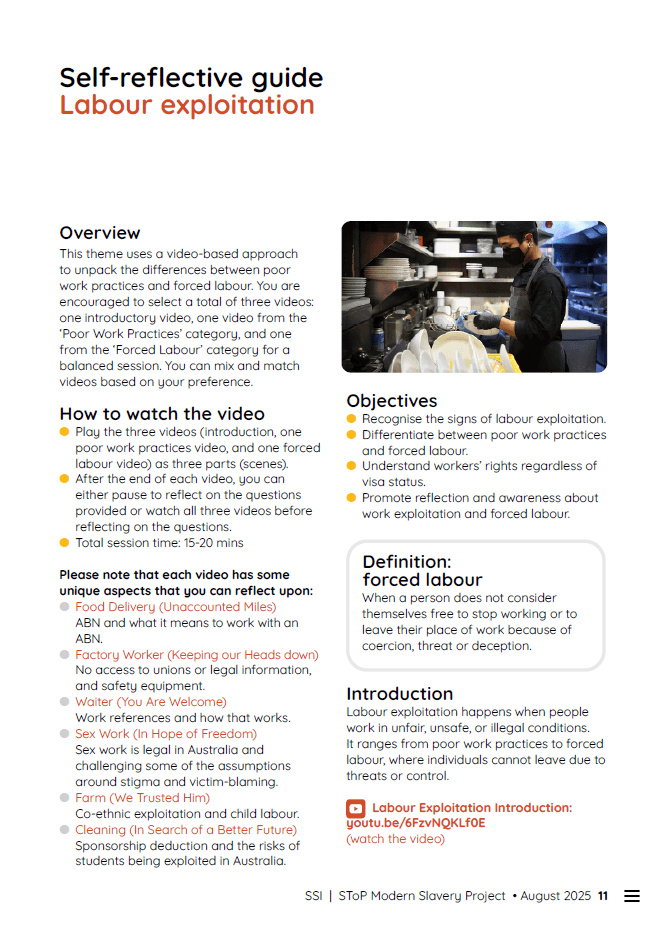
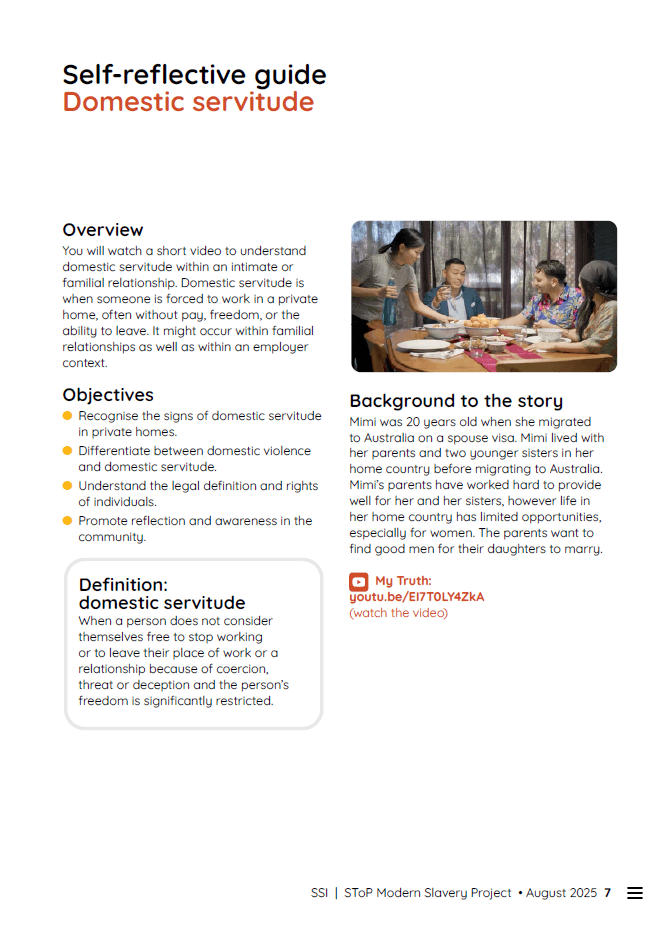
Play videos
Explore topics:
What does labour exploitation look like?
Showing 1 – of 1 program resources

What does forced marriage look like?
Showing 1 – of 1 program resources
What does domestic servitude look like?
Showing 1 – of 1 program resources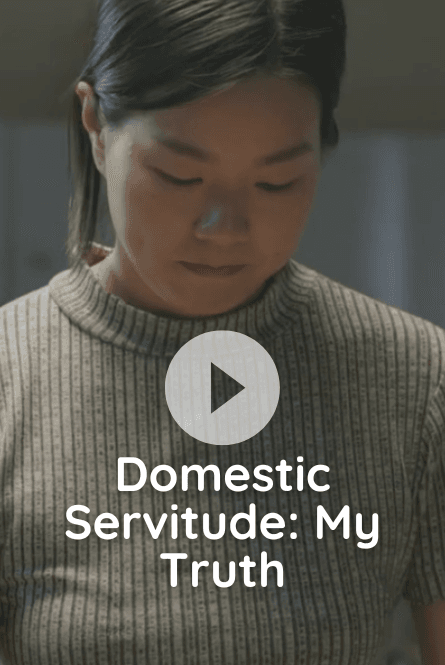
Questions about these resources?
Facilitator guide for leading group sessions in community settings
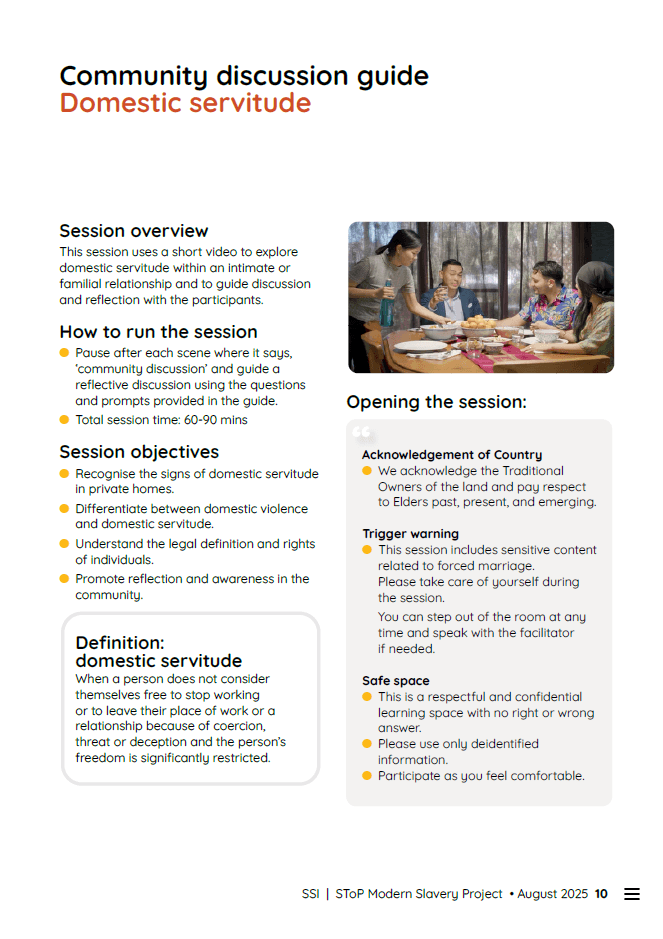
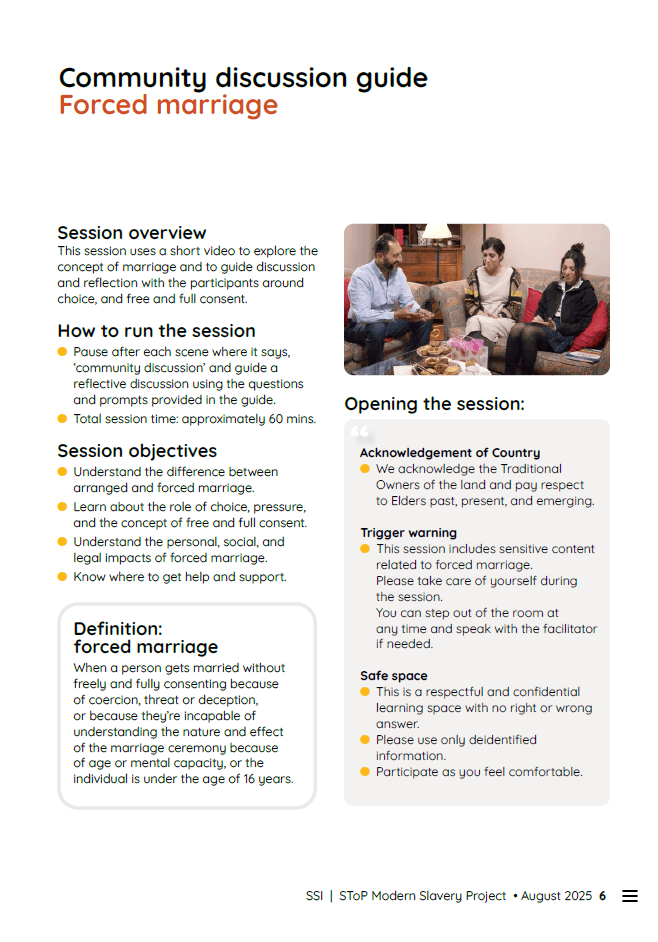
There are three story-based videos that have been developed to raise awareness and break down complex information on forced marriage, domestic servitude, and forced labour into simple relatable information. These story-based videos present these issues in a way that allows for ‘othering’, yet foster a sense of empowerment through awareness, education, and meaningful engagement aimed at challenging and disrupting harmful norms and practices.
Each video has natural community discussion points where the facilitator pauses to hold a discussion and reflection with the participants.
Each video comes with a complete guide of questions to support discussion after each scene.
Download guide
Download the guide for step-by-step instructions on how to use the videos.
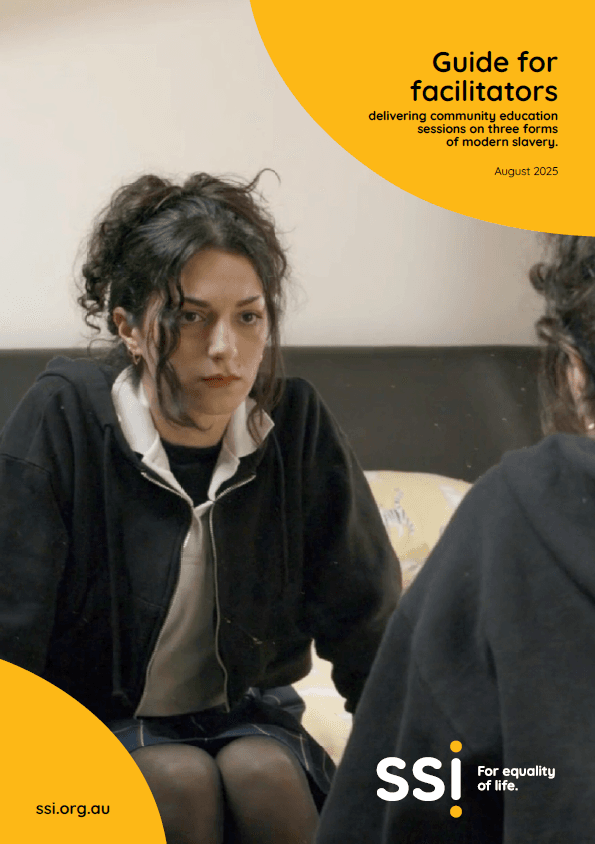
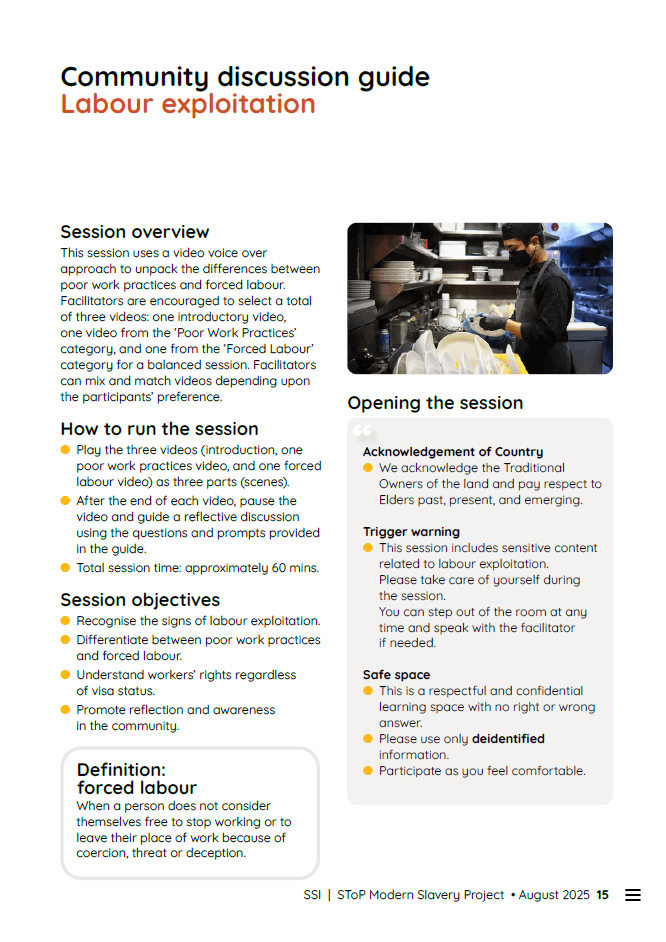
This guide provides guidance in delivering community education sessions through audio-visual stories that explore three forms of modern slavery.
You can also download the individual topic sections to focus on one topic at a time.
Play videos
Explore topics:
What does labour exploitation look like?
Showing 1 – of 1 program resourcesWhat does forced marriage look like?
Showing 1 – of 1 program resourcesWhat does domestic servitude look like?
Showing 1 – of 1 program resourcesQuestions about these resources?
ਇਸ ਐਨੀਮੇਟਡ ਵੀਡੀਓ ਵਿੱਚ, ਜਾਣੋ ਕਿ NDIS ਭਾਗੀਦਾਰ ਆਪਣੀਆਂ ਸਹਾਇਤਾਵਾਂ ਜਾਂ ਸੇਵਾਵਾਂ ਬਾਰੇ ਕਿਵੇਂ ਫੀਡਬੈਕ ਦੇ ਸਕਦੇ ਹਨ। ਸਾਰਾ ਦੀ ਕਹਾਣੀ ਨੂੰ ਇੱਕ ਉਦਾਹਰਨ ਵਜੋਂ ਵਰਤਦੇ ਹੋਏ, ਅਸੀਂ ਤੁਹਾਨੂੰ ਕਦਮ ਡਰ ਕਦਮ ਇਹ ਦੱਸਾਂਗੇ ਕਿ ਆਪਣੇ ਸੇਵਾ ਪ੍ਰਦਾਤਾ ਨਾਲ ਚਿੰਤਾਵਾਂ ਕਿਵੇਂ ਉਠਾਉਣੀਆਂ ਹਨ, ਵਕਾਲਤ ਸਹਾਇਤਾ ਕਿਵੇਂ ਲੱਭਣੀ ਹੈ, ਅਤੇ NDIS ਕਮਿਸ਼ਨ ਨੂੰ ਰਸਮੀ ਸ਼ਿਕਾਇਤ ਕਿਵੇਂ ਕਰਨੀ ਹੈ। ਗੁਣਵੱਤਾ ਦੇਖਭਾਲ ਪ੍ਰਾਪਤ ਕਰਨ ਲਈ ਆਪਣੇ ਅਧਿਕਾਰਾਂ, ਸਮੱਸਿਆਵਾਂ ਨੂੰ ਹੱਲ ਕਰਨ ਲਈ ਉਪਲਬਧ ਤਰੀਕਿਆਂ, ਅਤੇ ਲੋੜ ਪੈਣ ‘ਤੇ ਭਾਸ਼ਾ ਸਹਾਇਤਾ ਤੱਕ ਪਹੁੰਚ ਕਰਨ ਦੇ ਤਰੀਕਿਆਂ ਨੂੰ ਸਮਝੋ। ਜੇਕਰ ਤੁਸੀਂ ਕਦੇ ਵੀ ਅਸੁਰੱਖਿਅਤ ਮਹਿਸੂਸ ਕਰਦੇ ਹੋ ਜਾਂ ਤੁਹਾਡੀਆਂ ਲੋੜਾਂ ਪੂਰੀਆਂ ਨਹੀਂ ਹੁੰਦੀਆਂ ਹਨ, ਤਾਂ ਆਵਾਜ਼ ਉਠਾਉਣ ਤੋਂ ਨਾ ਝਿਜਕੋ —ਮੱਦਦ ਉਪਲਬਧ ਹੈ।
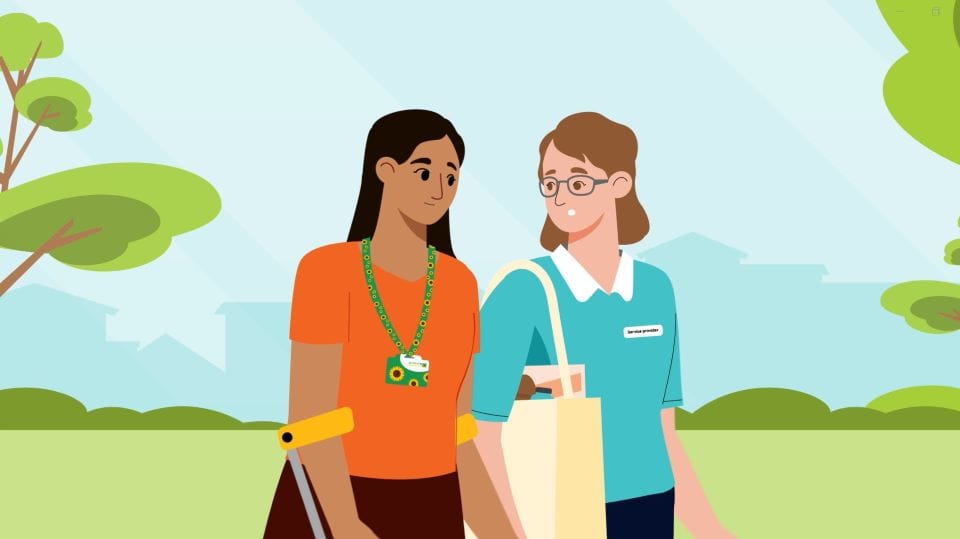
ਇਸ ਐਨੀਮੇਟਡ ਵੀਡੀਓ ਵਿੱਚ, ਜਾਣੋ ਕਿ NDIS ਭਾਗੀਦਾਰ ਆਪਣੀਆਂ ਸਹਾਇਤਾਵਾਂ ਜਾਂ ਸੇਵਾਵਾਂ ਬਾਰੇ ਕਿਵੇਂ ਫੀਡਬੈਕ ਦੇ ਸਕਦੇ ਹਨ। ਸਾਰਾ ਦੀ ਕਹਾਣੀ ਨੂੰ ਇੱਕ ਉਦਾਹਰਨ ਵਜੋਂ ਵਰਤਦੇ ਹੋਏ, ਅਸੀਂ ਤੁਹਾਨੂੰ ਕਦਮ ਡਰ ਕਦਮ ਇਹ ਦੱਸਾਂਗੇ ਕਿ ਆਪਣੇ ਸੇਵਾ ਪ੍ਰਦਾਤਾ ਨਾਲ ਚਿੰਤਾਵਾਂ ਕਿਵੇਂ ਉਠਾਉਣੀਆਂ ਹਨ, ਵਕਾਲਤ ਸਹਾਇਤਾ ਕਿਵੇਂ ਲੱਭਣੀ ਹੈ, ਅਤੇ NDIS ਕਮਿਸ਼ਨ ਨੂੰ ਰਸਮੀ ਸ਼ਿਕਾਇਤ ਕਿਵੇਂ ਕਰਨੀ ਹੈ। ਗੁਣਵੱਤਾ ਦੇਖਭਾਲ ਪ੍ਰਾਪਤ ਕਰਨ ਲਈ ਆਪਣੇ ਅਧਿਕਾਰਾਂ, ਸਮੱਸਿਆਵਾਂ ਨੂੰ ਹੱਲ ਕਰਨ ਲਈ ਉਪਲਬਧ ਤਰੀਕਿਆਂ, ਅਤੇ ਲੋੜ ਪੈਣ ‘ਤੇ ਭਾਸ਼ਾ ਸਹਾਇਤਾ ਤੱਕ ਪਹੁੰਚ ਕਰਨ ਦੇ ਤਰੀਕਿਆਂ ਨੂੰ ਸਮਝੋ। ਜੇਕਰ ਤੁਸੀਂ ਕਦੇ ਵੀ ਅਸੁਰੱਖਿਅਤ ਮਹਿਸੂਸ ਕਰਦੇ ਹੋ ਜਾਂ ਤੁਹਾਡੀਆਂ ਲੋੜਾਂ ਪੂਰੀਆਂ ਨਹੀਂ ਹੁੰਦੀਆਂ ਹਨ, ਤਾਂ ਆਵਾਜ਼ ਉਠਾਉਣ ਤੋਂ ਨਾ ਝਿਜਕੋ —ਮੱਦਦ ਉਪਲਬਧ ਹੈ।
Download resources / ਸੰਸਾਧਨ
Brochure / ਬਰੋਸ਼ਰ
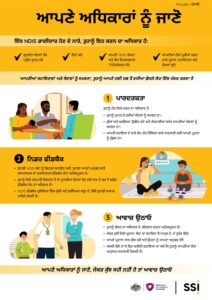
This infographic describes the rights of NDIS participants and outlines how they can give feedback step by step.
ਇਹ ਬਰੋਸ਼ਰ NDIS ਭਾਗੀਦਾਰਾਂ ਦੇ ਅਧਿਕਾਰਾਂ ਦੀ ਜਾਣਕਾਰੀ ਦਿੰਦਾ ਹੈ ਅਤੇ ਦੱਸਦਾ ਹੈ ਕਿ ਉਹ ਕਦਮ-ਦਰ-ਕਦਮ ਕਿਵੇਂ ਫੀਡਬੈਕ ਦੇ ਸਕਦੇ ਹਨ।
នៅក្នុងវីដេអូព័ត៌មាននេះ យើងរុករក សិទ្ធិនានារបស់អ្នកចូលរួម NDIS នៅក្នុង ការទទួលបានការគាំទ្រ និងសេវានានា។ ស្វែងយល់ពីសមត្ថភាពរបស់អ្នកក្នុងការធ្វើជម្រើស ទាក់ទងនឹងផែនការ NDIS របស់ អ្នក ផ្ដល់មតិកែលម្អ និងដោះស្រាយ បញ្ហា ណាមួយជាមួយអ្នកផ្ដល់សេវាកម្មនានា។ វីដេអូនេះរំលេចពីសារៈសំខាន់នៃការ
និយាយចេញ និងរបៀបចូលប្រើ ការគាំទ្រភាសា ប្រសិនបើត្រូវការ។ ស្វែងយល់ពីដំណើរការដែលមានភាពសម្ងាត់ និងមានសុវត្ថិភាពសម្រាប់មតិកែលម្អ ការធានាថាសំឡេងរបស់អ្នកត្រូវបានគេ
ស្តាប់ឮ តាមរបៀបមួយដែលយុត្តិធម៌ និងមានការគោរព។
នៅក្នុងវីដេអូជីវចលនេះ ស្វែងយល់ពី របៀបដែលអ្នកចូលរួម NDIS អាចផ្ដល់ មតិកែលម្អលើការគាំទ្រ ឬសេវានានា របស់ពួកគេ។ ប្រើរឿងរ៉ាវរបស់ Sara ជាឧទាហរណ៍ យើងនឹងណែនាំអ្នកតាម រយៈជំហាននានាដើម្បីលើកឡើងពីការព្រួយបារម្ភទាក់ទងនឹងអ្នកផ្ដល់សេវារបស់អ្នក របៀបស្វែងរកការគាំទ្រខាងការតស៊ូមតិ និងរបៀបធ្វើពាក្យបណ្ដឹងផ្លូវការទៅគណៈកម្មការ NDIS។ យល់ពីសិទ្ធិរបស់អ្នកចំពោះ ការថែទាំមានគុណភាព ជម្រើសដែលមាន ដើម្បីដោះស្រាយបញ្ហា និងរបៀបចូលប្រើ ជំនួយភាសា នៅពេលត្រូវការ។ ប្រសិនបើ អ្នកអ្នកធ្លាប់មានអារម្មណ៍មិនមាន
សុវត្ថិភាព ឬតម្រូវការរបស់អ្នកមិនបាន បំពេញ សូមកុំស្ទាក់ស្ទើរក្នុងការនិយាយ ចេញ—ជំនួយអាចរកបាន។
Download resources / ធនធាននានា
Brochure / សខិត្តប័ណ្ណ
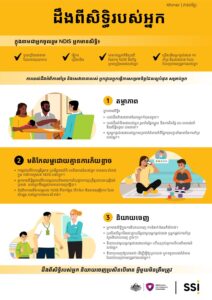
This infographic describes the rights of NDIS participants and outlines how they can give feedback step by step.
ខិត្តប័ណ្ណនេះពណ៌នាអំពីសិទ្ធិរបស់អ្នកចូលរួម NDIS និងចែងពីរបៀបដែលពួកគេអាចផ្ដល់មតិកែលម្អបានជាជំហានៗ។

اس معلوماتی ویڈیو میں، ہم سپورٹ اور خدمات تک رسائی کے حصول کے حوالے سے NDIS استعمال کرنے والوں کے حقوق کے بارے میں بات کرتے ہیں۔ اپنے NDIS پلان کے بارے میں انتخاب کرنے کی اپنی صلاحیت کے بارے میں جانیں، رائے فراہم کریں، اور سروس پرووائیڈرز کے ساتھ کوئی بھی مسئلہ حل کریں۔ ویڈیو آواز اٹھانے کی اہمیت کو اجاگر کرتی ہے اور یہ کہ ضرورت پڑنے پر زبان کی مدد تک کیسے رسائی حاصل کی جائے۔ رائے دینے کے لیے ہمارے رازدارنہ اور محفوظ عمل دریافت کریں، اور یقینی بنائيں کہ آپ کی آواز احترام اور انصاف کے ساتھ سنی جائے۔
اس اینیمیٹڈ ویڈیو میں جانیں کہ NDIS کا استعمال کرنے والے کس طرح اپنی سپورٹ یا خدمات پر رائے دے سکتے ہیں۔ سارہ کی کہانی کو ایک مثال کے طور پر استعمال کرتے ہوئے، ہم آپ کی رہنمائی کریں گے کہ آپ اپنےسروس سروس پرووائیڈر کے ساتھ خدشات کیسے اٹھائیں، وکالت کی حمایت کیسے حاصل کریں، اور NDIS کمیشن کو باضابطہ شکایت کیسے کریں۔ معیاری دیکھ بھال کے اپنے حقوق، مسائل کو حل کرنے کے لیے دستیاب اختیارات، اور ضرورت پڑنے پر زبان کی مدد تک رسائی کے طریقہ کار کو سمجھیں۔ اگر آپ کبھی غیر محفوظ محسوس کرتے ہیں یا آپ کی ضروریات پوری نہیں ہوتی ہیں، تو بات کرنے میں ہچکچاہٹ محسوس نہ کریں — آپ کے لیے مدد دستیاب ہے۔
Download resources / وسائل
Brochure / روشر
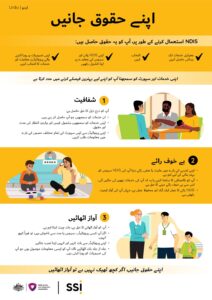
This infographic describes the rights of NDIS participants and outlines how they can give feedback step by step.
یہ بروشر NDIS کے شرکاء کے حقوق کی وضاحت کرتا ہے اور مرحلہ وار یہ بتاتا ہے کہ وہ رائے کیسے دے سکتے ہیں۔
Trong đoạn video thông tin này, chúng ta sẽ khám phá quyền hạn của người tham gia chương trình NDIS trong việc tiếp cận các dịch vụ và hỗ trợ. Tìm hiểu về khả năng đưa ra các lựa chọn liên quan đến kế hoạch NDIS của bạn, cung cấp ý kiến phản hồi và giải quyết mọi vấn đề với nhà cung cấp dịch vụ. Đoạn video này nhấn mạnh tầm quan trọng của việc lên tiếng và cách tiếp cận hỗ trợ ngôn ngữ nếu cần. Khám phá quy trình cung cấp ý kiến phản hồi an toàn và bảo mật, để đảm bảo ý kiến phản hồi của bạn được lắng nghe một cách công bằng và được tôn trọng.
Trong đoạn video hoạt hình này, hãy tìm hiểu cách người tham gia NDIS có thể đưa ra ý kiến phản hồi về các dịch vụ hoặc hỗ trợ của họ. Lấy câu chuyện của Sara làm ví dụ, chúng tôi sẽ hướng dẫn bạn các bước để nêu lên mối quan ngại của bạn với nhà cung cấp dịch vụ, cách tìm kiếm sự hỗ trợ và cách khiếu nại chính thức lên Ủy ban NDIS. Hiểu rõ quyền hạn của bạn để được nhận sự chăm sóc có chất lượng, lựa chọn các phương án để giải quyết vấn đề và cách tiếp cận dịch vụ hỗ trợ ngôn ngữ khi cần. Nếu bạn cảm thấy không an toàn hoặc nhu cầu của bạn không được đáp ứng, đừng ngần ngại lên tiếng—chúng tôi luôn sẵn sàng trợ giúp.
Download resources / Nguồn tài Liệu
Brochure / Tờ rơi
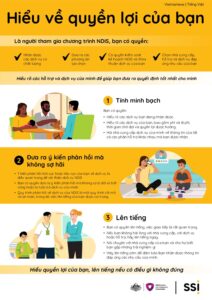
This infographic describes the rights of NDIS participants and outlines how they can give feedback step by step.
Tờ rơi này mô tả các quyền lợi người tham gia NDIS và nêu rõ cách họ có thể đóng góp ý kiến phản hồi từng bước.
In this informative video, we explore the rights of NDIS participants in accessing supports and services. Learn about your ability to make choices regarding your NDIS plan, provide feedback, and resolve any issues with service providers. The video highlights the importance of speaking up and how to access language support if needed. Discover the confidential and safe process in place for feedback, ensuring your voice is heard in a fair and respectful manner.
In this animated video, learn how NDIS participants can provide feedback on their supports or services. Using Sara’s story as an example, we’ll guide you through the steps to raise concerns with your service provider, how to seek advocacy support, and how to make a formal complaint to the NDIS Commission. Understand your rights to quality care, the options available to resolve issues, and how to access language assistance when needed. If you ever feel unsafe or your needs are not met, don’t hesitate to speak up—help is available.
Open the stakeholder kit
This stakeholder pack was developed to help NDIS providers, peaks and the sector to circulate and raise awareness about the rights of NDIS participants, especially amongst those from culturally and linguistically diverse (CALD) backgrounds. Stakeholders can use the information, guidance and resources available and strengthen feedback and complaints pathways, while promoting the rights of NDIS participants.
Resources
Brochure
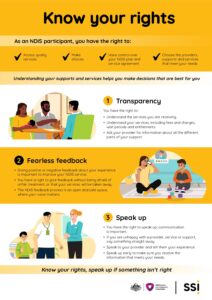
This infographic describes the rights of NDIS participants and outlines how they can give feedback step by step.

About SHER
Safe, Healthy and Empowered Relationships (SHER) is a Domestic and Family Violence behaviour intervention program for men who speak Dari, Swahili, Samoan and Karen, and are living in Logan, Ipswich, Brisbane, Gold Coast or Moreton Bay.
The goal of this program is to increase safety for women and children by providing men an opportunity to take accountability for their actions, recognising the harm their violence and behaviour choices are having on family.
This program helps you:
- Build effective ways to handle difficult situations without conflict
- Take responsibility for your actions and impact on others
- Build healthy family relationships as a father and husband
How we can help
This program is for men who:
- come from an Afghan Dari, Swahili, Samoan and Karen speaking backgrounds living in Logan, Ipswich, Brisbane, Ipswich, Gold Coast, or Moreton Bay
- are concerned about how their behaviour affects their family
- are ready to make positive changes in their relationships
The SHER program can help to:
- Understand the difference between unhealthy and healthy relationships
- Build new ways to handle difficult situations
- Take accountability for your actions to build a safer home for your family
- Build better connections with those you care about
Program structure
Individual support phase
- One-hour weekly sessions
- Private discussions with a skilled bi-cultural worker
- Opportunity to discuss your specific situation
- Prepare for group work in a comfortable, private setting
- Explore new perspectives on family relationships
- Build strategies for creating a safer home environment
Group program phase (16 weeks)
- Weekly sessions
- Closed group format (same participants throughout the program)
- Learn from and support other men in similar situations
- Develop practical skills for positive change
Sessions take place every Thursday evening for 16 weeks, 6 – 8 pm, commencing April 2025 at:
Gould Adams Community Centre
558-662 Kingston Road
Kingston QLD
Getting help
If you or someone is in immediate danger, please call Triple Zero (000) for emergency services.
If you are subjected to or impacted by sexual violence, know someone who is, or are triggered by this content and would like to access support, please contact:
- 1800 RESPECT – Call 1800 737 732, text 0458 737 732, chat online or video call via their website for confidential domestic, family and sexual violence counselling information and support services
- DV Connect – Call 1800 811 811 for immediate support with crisis transport and accommodation in QLD
- Lifeline – Call 13 11 14
- 99 Steps – 07 3412 8282 or 99steps@ssi.org.au for women from CALD backgrounds living in Logan/Beenleigh experiencing DFV. Support includes information, advice, casework support and referral

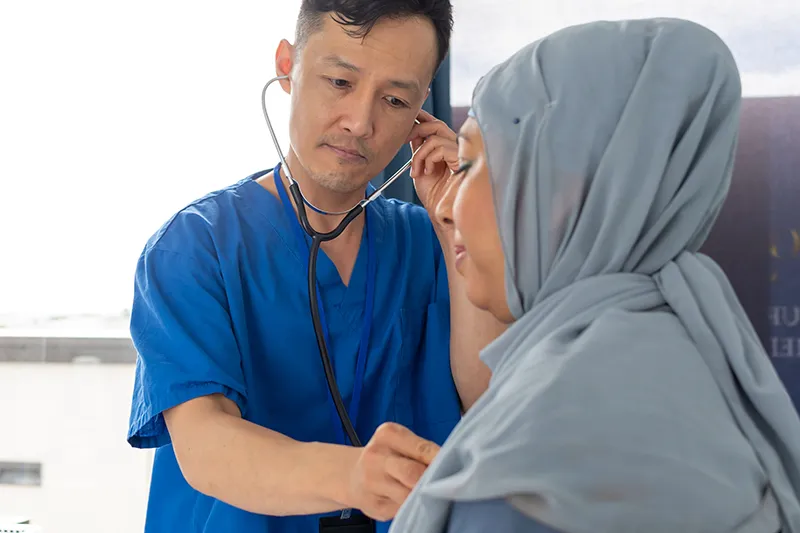
About Health Support Navigation Service
The service supports individuals from CALD and refugee populations, and those who are homeless or at risk of homelessness to have better access to primary health care in South Western Sydney Region
There is a critical need for improved service navigation to support better primary healthcare outcomes for CALD, refugee, and homeless communities. Many face barriers such as limited culturally appropriate services, low health literacy, stigma, and financial or mental health challenges. With the right care and support, people can more easily navigate the system and access the healthcare they need.
Who is this for?
People who are eligible for the service include those who:
- are residents of the South Western Sydney (SWS) Local Government Areas (LGA’s) of: Bankstown-Canterbury, Fairfield, Liverpool, Campbelltown, Camden, Wollondilly, Wingecarribee.
- are refugees or asylum seekers
- are experiencing homeless or are at risk of homelessness
- are from culturally and linguistically diverse backgrounds who were born overseas and usually speak a language other than English at home
What we do
Eligible participants receive:

Short term goal-focused support services provided through a navigator

Access to language translation and transport services depending on individual needs

Connection to community health services such as GPs, specialists, and other healthcare professionals , and referrals to local community health supports across the 7 eligible LGA’s

Individualised care plans and personal support service

Assistance with the application of a Medicare card for eligible clients

Access to financial support to cover gaps fees and approved treatment costs

Individualised care plans and coordination tailored to clients specific health needs for a maximum of three months

Access to preventative health care
Type of medical services costs covered
- GP visits
- Health checks
- Pathology
- Preventative health activities such as vaccinations, cancer screening and STI/BBV testing
- Wound care
- Allied health such as speech therapy and podiatry
- Mental health psychology and/or psychiatry visits
- Approved medical aids
- Medical form support
We’re here to help

Our service navigators are culturally competent and work professionally and respectfully to deliver trauma- informed care and have qualifications or experience in healthcare.

We provide a person-centered approach to providing health services that respect and integrates everyone’s cultural and linguistic background into care coordination
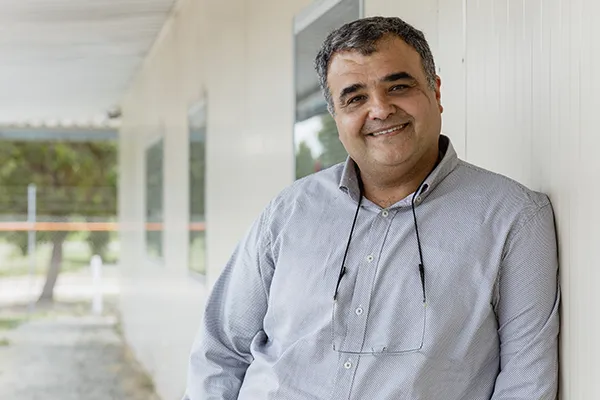
We work closely with other local service providers, including healthcare and social service organisations, to make appropriate referrals for our clients prior to clients being exited from our program
Partner with us
We’d love to work with your organisation. Partner with us to bring your expertise to those who need it most.
Whether you’re a community health centre, GP clinic experienced with homeless populations, CALD and refugee community organisation, multicultural group, faith leader, or specialist service provider, we invite you to join us on this initiative.
- Co-host information sessions within your community
- Address the multifaceted needs of individuals and families within the target populations by facilitating smooth client transfers and referrals
- Provide your expertise to contribute to a robust referral network to ensure clients can access holistic support – from a range of services, including:
- CALD and refugee organisations
- Refugee and asylum seeker support services
- Homelessness support and services
- Community health providers and GPs
- Community and faith groups
Contact us at clientservices@ssi.org.au for more information.
Apply now
Please fill out the form below to submit an expression of interest and our team will be in touch.
Get in touch
p. 1800 298 474
Where we are
For clients and communities in Campbelltown, Camden, Wingecarribee, and Wollondilly LGAs, please contact us at clientservices@ssi.org.au or call 1800 298 474 to get direct support and guidance
Address: 2/462 Chapel Road, Bankstown NSW 2200, Australia.
Daily, Monday – Friday
9:00am – 4:30pm
Address: 7 William St, Fairfield NSW 2165, Australia
Every Thursday
9:00am – 4:30pm
Address: 1/45-47 Scott Street, Liverpool NSW 2170, Australia
Postal address:
PO Box 152, NSW 1871, Liverpool
Meetings must be booked in advance
Address: 6 Harper Cl, Tahmoor NSW 2573
Wednesday Week 3 monthly
10:00am – 1:00pm
Address: 6 Harper Cl, Tahmoor NSW 2573
Wednesday Week 3 monthly
10:00am – 1:00pm
Address: Dr James Pirie Community Centre, 124 Bigge St, Liverpool NSW 2170
Every second and fourth Wednesday fortnightly.