

| Charlie – Car enthusiast gains employment as a mechanic | Arabic | Simplified Chinese | Vietnamese | |
| Ellen – Pilot program helps Ellen get job-ready | Arabic | Simplified Chinese | Vietnamese | |
| Faith – SSI LAC participant on her way to becoming a chef | Arabic | Simplified Chinese | Vietnamese | |
| Ivan – SSI Local Area Coordinator helps bring stranded NDIS participants in the outback home safely | Arabic | Simplified Chinese | Vietnamese | |
| Peter – Peter’s journey of resilience, empowerment and taking part in the community | Arabic | Simplified Chinese | Vietnamese | |
| Sabrina – Aspiring teach gains independence with SSI’s support | Arabic | Simplified Chinese | Vietnamese | |
| Sonita – SSI NDIS participant reclaims independence | Arabic | Simplified Chinese | Vietnamese | |
| Taylor – Gaze-based communications device proves life-changing for teen SSI NDIS participant | Arabic | Simplified Chinese | Vietnamese | |
| Waseem – Finding a job and a community voice | Arabic | Simplified Chinese | Vietnamese | Urdu |
Improving safety outcomes for migrant and refugee women and children
The Train, Engage, Connect, Support (TECS) project seeks to engage and build the capacity of multicultural community and faith leaders across Australia to prevent and respond to family, domestic and sexual violence (FDSV), in collaboration with specialist services.
This is a collaborative initiative, which recognises the importance of mobilising communities to address FDSV – a universal issue. Faith and community leaders supporting multicultural communities share our vision of respect, safety, and equality for all and have a unique and critical role to play as social responders. The TECS project has developed learning resources to support leaders to take action to prevent and respond to FDSV in their communities.
Fostering a supportive and inclusive environment is crucial—one where victim survivors of FDSV feel empowered to seek help, and individuals who use FDSV are held accountable for their actions.
The TECS project is supported by the Australian Government under the National Plan to End Violence Against Women and Children 2022-2032. The project is delivered by SSI in partnership with the Federation of Ethnic Communities’ Councils of Australia (FECCA).
Safer, stronger communities free from violence: our approach
In collaboration with community leaders, faith leaders, people from migrant and refugee communities with lived experience, and key sector stakeholders, the project involves:

National consultations with nearly 300 faith and community leaders, victim survivors and sector stakeholders across all states and territories.

Collaboration with faith and community leaders, victim survivors and sector stakeholders to co-design and deliver an evidence-based, culturally responsive national training package for faith and community leaders.

Facilitation of learning circles to support leaders to provide feedback, connect and share experiences following completion of the training.
Taking action to keep multicultural communities safe: Faith and community leaders training
The TECS project’s co-designed learning materials support community and faith leaders from migrant and refugee communities to prevent, identify and respond to FDSV. These resources are available to community and faith leaders across Australia who want to build their skills in understanding FDSV and support their communities to address these issues.
The training package includes:
- An interactive e-learning course to increase faith and community leaders’ confidence to understand and shape their role in recognising FDSV, responding appropriately, and referring victim-survivors to appropriate services. Includes vignettes featuring diverse community and faith leaders to highlight the role leaders can play in responding to FDSV.
- A conversation guide to help leaders recall core information from the e-learning and have conversations about FDSV in their communities. This is available within the e-learning.
- Opportunity to join a learning circle where you can connect with other leaders who have also completed this training. The registration link for this is available within the e-learning.
Certificates are available for leaders who complete the e-learning course.
Download stakeholder engagement toolkit
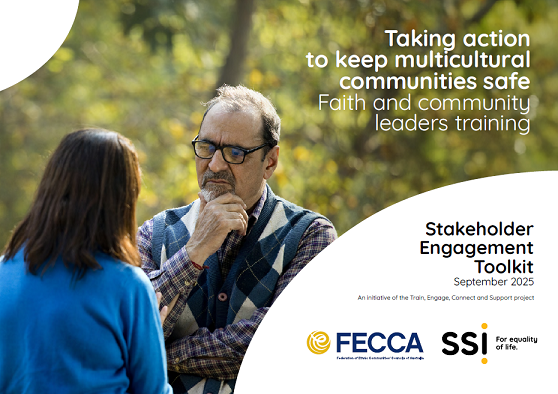
This toolkit helps to promote our free training for community and faith leaders to learn how to safely support people experiencing family, domestic, and sexual violence in their community.
Download promotional flyer/poster
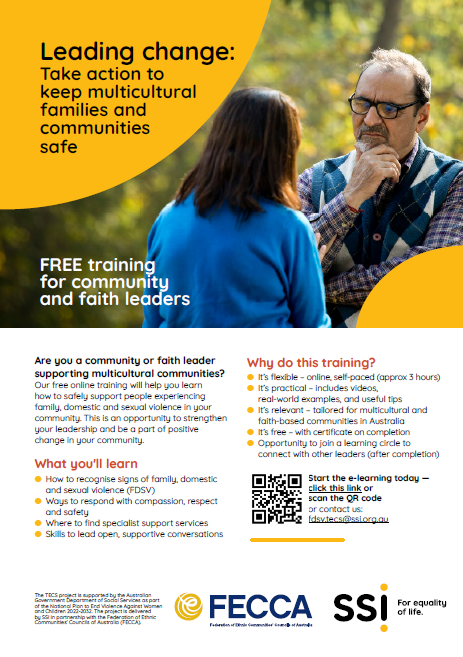
This flyer/poster is available to help promote our free training for community and faith leaders supporting multicultural communities.
Download policy insights
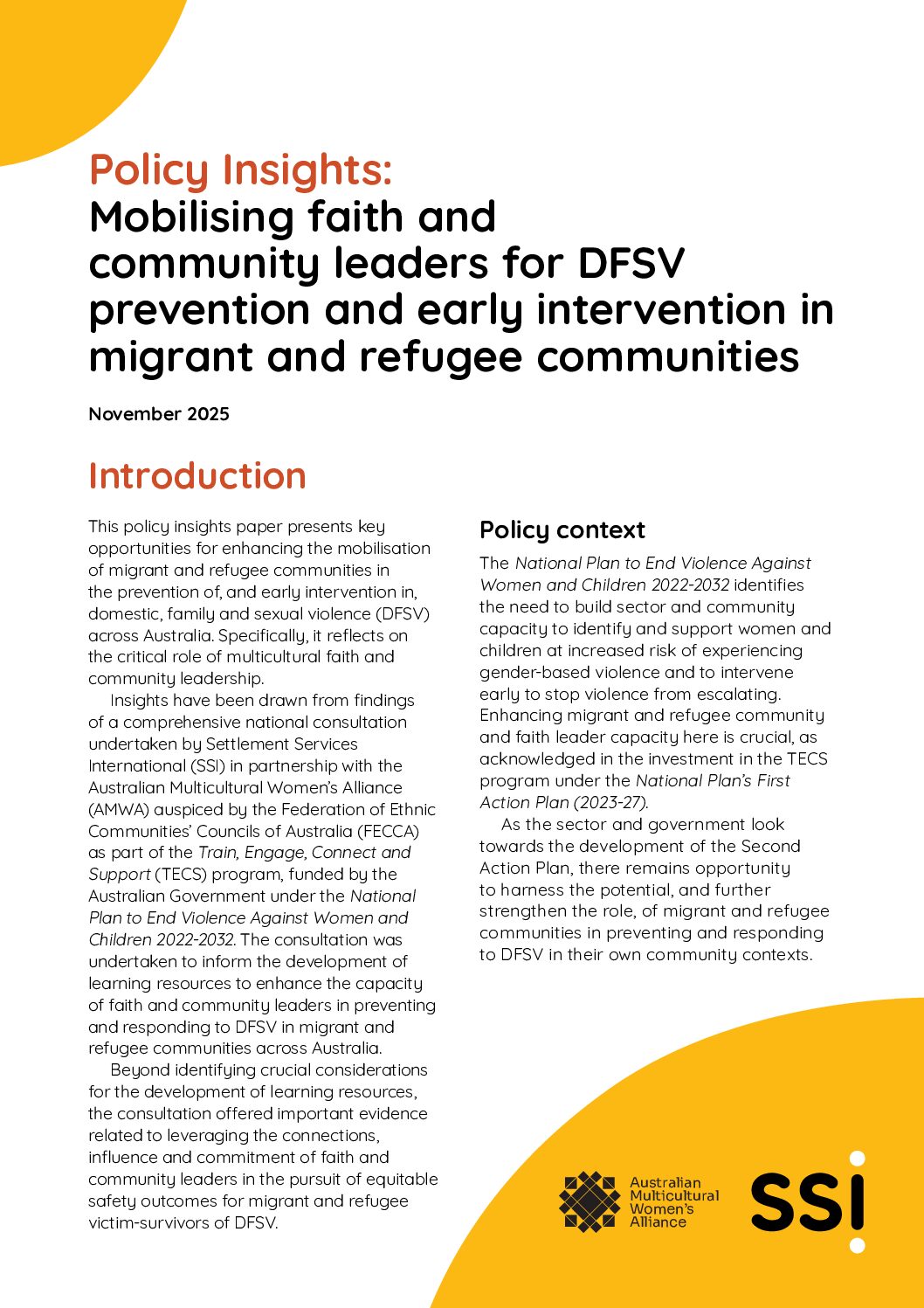
This policy insights paper presents key opportunities for enhancing the mobilisation of migrant and refugee communities in the prevention of, and early intervention in, domestic, family and sexual violence (DFSV) across Australia. Specifically, it reflects on the critical role of multicultural faith and community leadership.
Get in touch
For more information about this project, please contact us at fdsv.tecs@ssi.org.au or call our Community Engagement Coordinator on 0466 217 497.
Do you need support?
1800RESPECT – 1800 737 732
This is a 24-hour national sexual assault, family and domestic violence counselling line for any Australian who has experienced or is at risk of, family and domestic violence and/or sexual assault.
Individuals can also access local support services and search the internet using Daisy, a free app developed by 1800RESPECT that protects user privacy.
If you need translation or interpreting services call:
Translating and Interpreting Service National on 13 14 50 and ask them to contact 1800 RESPECT for you.
For callers who are deaf or have a hearing or speech impairment call National Relay Service and ask them to contact 1800RESPECT
- TTY/Voice Calls – phone 133 677
- Speak and Listen – phone 1300 555 727
- Internet relay users – visit the National Relay Service website
MensLine Australia – 1300 789 978
Supports men and boys who are dealing with family and relationship difficulties. 24/7 telephone and online support an information service for Australian men.
Men’s Referral Service – 1300 766 491
This service from No to Violence offers assistance, information and counselling to help men who use family violence.
Kids Help Line – 1800 55 1800
Australia-wide free 24/7, confidential and private counselling service specifically for children and young people aged five to 25 years.
Elder Abuse Help Line – 1300 651 192
Free information and support services for people who experience or witness the abuse of an older person. Operating hours vary.
Financial Counselling Australia – 1800 007 007
Access free resources and advice from a private financial counsellor. Call 1800 007 007 to speak to someone in your state.
13YARN – 13 92 76
The first national crisis support line for mob who are feeling overwhelmed or having difficulty coping.
They offer a confidential one-on-one yarning opportunity with a Lifeline-trained Aboriginal & Torres Strait Islander Crisis Supporter.

About SafePath
Victims of sexual violence from culturally and linguistically diverse (CALD) communities face unique challenges in reporting and reaching out for assistance when there is a lack of culturally responsive and trauma-informed services. Often, sexual violence services are not equipped with culturally and linguistically informed information, further enhancing barriers that victims may experience.
SafePath is a two-year project funded until June 2025 by the Department of Communities & Justice. The project aims to further equip frontline practitioners in identifying and responding to CALD victim survivors of sexual violence perpetration.
How we help
SafePath will develop culturally and linguistically informed resources to support victim-survivors, practitioners, and wider communities about sexual violence.
We invite you to share and use the resources when they are available. Some resources will be available in-language.
Getting help
If you or someone is in immediate danger, please call Triple Zero (000) for emergency services.
If you are subjected to or impacted by sexual violence, know someone who is, or are triggered by this content and would like to access support, please contact:
- Full Stop Domestic Violence helpline on 1800 385 578 or Full Stop NSW Sexual Violence Helpline on 1800 424 017
- Lifeline on 13 11 14
Get in touch
Should you have any comments, feedback, or questions, please contact us.
E: info@ssi.org.au
P: 02 8799 6700
About the program
The Strategies to Prevent Modern Slavery (SToP Modern Slavery) project was funded by the Federal Attorney-General’s Department to develop short story-based videos as an education tool to deepen knowledge and understanding of modern slavery in all its forms.
The videos particularly focus on forced labour, domestic servitude within intimate partner relationships, and forced marriage, as three forms of modern slavery. They are designed to deliver sessions to hold meaningful and engaging discussions and reflection to understand the nuances around these forms of modern slavery.
“The approach of using story-based videos and facilitating discussions
has led to ongoing conversations with the community.”
The videos
A series of short videos explains the three forms of modern slavery in simple, relatable terms, using examples developed in partnership with communities. These videos can be used in group discussions or as a self-reflective exercise, and some are also available in Arabic, Dari and Chinese.
How do you want to use the videos?
What is modern slavery?
In Australia, modern slavery is defined as ‘a range of serious exploitative practices which includes human trafficking, slavery, slavery like practices, and the worst forms of child labour.’ (National Action Plan to Combat Modern Slavery 2020-2025).
Modern slavery includes situations where people are forced to work or marry against their will, are not paid properly, are controlled through threats, deception, coercion, and cannot safely walk away from the situation.
Forms of modern slavery:
- Human trafficking
- Deceptive recruitment
- Forced marriage
- Slavery
- Debt bondage
- Forced labour
- Worst forms of child labour
- Domestic servitude
Some signs someone may be in a modern slavery situation:
- They are not allowed to leave their work or home freely.
- Their passport or ID is held by someone else.
- They are afraid to speak up or seek help.
- They work long hours with little or no pay.
- They are under constant surveillance or control.
Learn more about the Strategies to Prevent Modern Slavery (SToP) Program
About Strategies to Prevent Modern Slavery (SToP)
The Strategies to Prevent Modern Slavery (SToP Modern Slavery) Project was funded by the Attorney-General’s Department under the National Action Plan to Combat Modern Slavery 2020-25. The program aimed to develop short story-based videos as an education tool to deepen knowledge and understanding with migrant and refugee communities around modern slavery. This project was guided by a reference group comprising of community leaders, people with lived experience, and experts.
The consultation process
As part of the Strategies to Prevent (SToP) Modern Slavery program, community consultations were undertaken across New South Wales and Queensland, with some exploratory engagement initiated in Victoria. These consultations included a combination of individual interviews and group discussions involving 84 participants, including community members, faith leaders, people with lived experience, community leaders, and frontline workers from over 20 culturally and linguistically diverse communities. The process provided critical insights into community perceptions, knowledge gaps, and the culturally specific ways in which modern slavery is experienced, understood, and addressed within different communities.
The co-design process
The co-design of these resources was undertaken in genuine partnership with community leaders, individuals with lived experience, and community organisations – ensuring that their cultural expertise and insights meaningfully shaped the content.
How did we create these videos?
A series of story-based videos were developed to present the complex issues of forced labour, forced marriage, and domestic servitude within intimate partner relationships in a simple, engaging, and culturally relevant manner.
Developed with cultural sensitivity and respect, these videos break down complex concepts into relatable contexts, making them more accessible and impactful for diverse communities. Importantly, the videos present these issues in a way that allows for othering, fostering a sense of empowerment through awareness, education, and meaningful engagement aimed at challenging and disrupting harmful norms and practices through the medium of stories and film.
“Proud that I attended this session, if you hear anything problem, you must report to the police system, this is good information.”
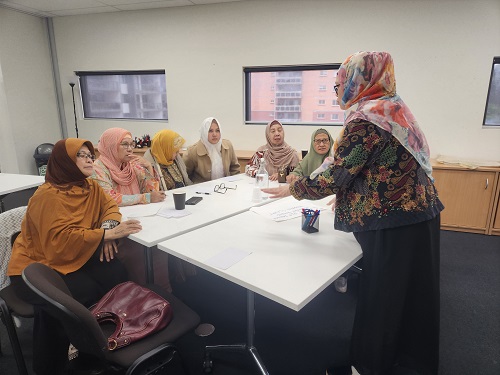
“Simple video presentation and explanation about the issue.”
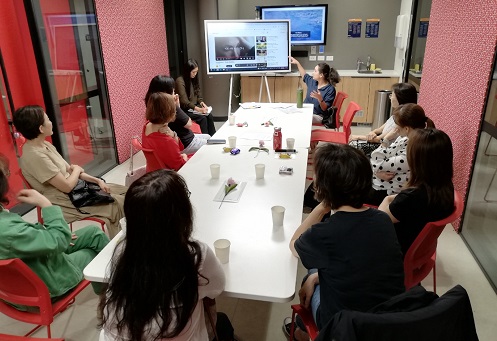
“In my opinion, this session was very great and I learn a lot. I know this sort of sessions will help women to share their stories and it will inform them to get help if needed. It was great to be here. Thanks a lot.”

“We need more awareness. These services are useful for early marriage.”
“I have gained more knowledge about domestic servitude and would share to my friends and close relatives.”
About Care Finder
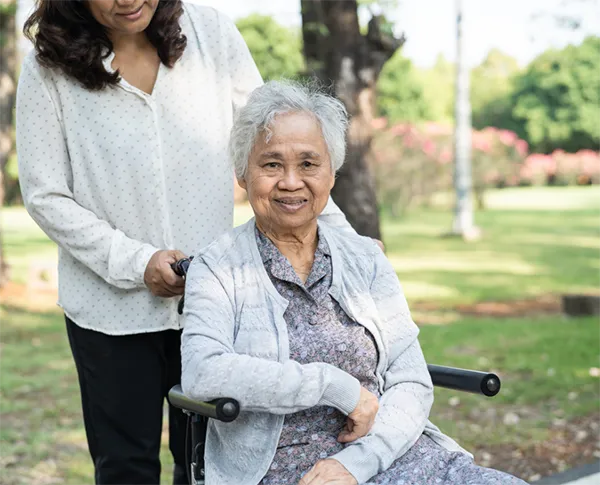
Our free service helps older Australians from diverse backgrounds connect to aged care services and supports. If you don’t have a carer or support person, we are here for you. We create a plan based on your needs and meet you where it suits you best – at home, in our office, or in the community.
SSI Care Finder Program is supported by funding from the Australian government through the PHN program (Primary Health Network).
How we help


Who we help
- Australians aged 65 or older from diverse backgrounds, including Aboriginal or Torres Strait Islander people aged 50 or older
- People experiencing homelessness or at risk of homelessness
- Live in Logan region in Queensland
- Require support to navigate the My Aged Care System and other relevant community services
- Eligible for government funded aged care support
Get in touch
To learn more about SSI’s Care Finder program, please contact our team in Logan.
91 Wembley Road Logan Central, QLD
Monday to Friday from 8.30 am to 4.30 pm
P: 0403 710 245
E: seniorconnect@ssi.org.au
Program Update
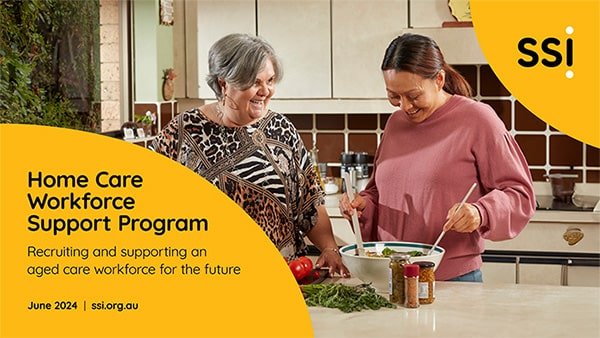
The Home Care Workforce Support Program (HCWSP) ended on June 30, 2024.
The program was part of the Federal government’s overall aim to grow, upskill and support Australia’s home care workers to ensure senior Australians can access the care they need to remain independent at home.
SSI is proud of what the program achieved across New South Wales and the ACT. To learn more about the program please download our Program Summary and Learnings document below.

About Championing Action for Tech Safety (CATS)
This project educates refugee and multicultural communities about how technology can be used in domestic and family violence. It provides practical knowledge on identifying and protecting against spyware, tracking apps, cache information, and passcodes that perpetrators may use to harm women and their children.
SSI successfully tendered for funding through the Preventing Tech-based Abuse of Women Grants Program (funded by the eSafety Commissioner). This program contributes to the Federal Government’s National Plan to End Violence Against Women and Children 2022-32 (the National Plan). Fundamental to the success of the National Plan is understanding and addressing tech-facilitated abuse of women and children.
Community education
We developed educational short story-based videos to spark conversations and reflections among community groups and individuals. We also created a training package to support these conversations through a community education program.
The videos focused on four areas of technology-based abuse that can be watched in multiple languages including Dari, Arabic, Chinese and English.
- Image-based abuse
- Impersonation
- Use of children’s devices
- Tracking
These resources help facilitators and participants discuss and understand the experiences of culturally and linguistically diverse (CALD) women affected by technology-based abuse.
How do you want to use the videos?
Free online training to learn more
Build your understanding of technology‑facilitated abuse in domestic and family violence, with a focus on the experiences of women from migrant and refugee backgrounds. This free, 30‑minute e‑learning course designed for social services workers and community leaders equips you to recognise abuse, respond effectively and strengthen community safety.
FAQs
What is tech-facilitated abuse?
According to eSafety, ‘technology-facilitated abuse or ‘tech-based abuse’ refers to harmful actions carried out online or through digital technology. These include harassment, making threats, stalking and coercive or controlling behaviour’.
For comprehensive information on this topic, head to the eSafety webpage.
More about the educational videos
SSI consulted and worked closely with community groups and caseworkers to create these resources. Together, we developed four videos that explore common forms of technology-based abuse reported by CALD women, which include:
- Impersonation
- Image-based abuse
- Tracking
- Use of children’s devices
These videos show real-life scenarios to help participants understand and discuss these experiences. You can use the videos in group discussions or watch them alone for self-reflection.
Get in touch
For more information about the project, please contact us on info@ssi.org.au.
About the Adira Centre
We promote culturally responsive, evidence-based and community informed responses to domestic, family and sexual violence in NSW, including in regional and rural areas.
The Centre collaborates across women’s safety, multicultural and settlement sectors in NSW to enhance quality, safe and culturally responsive domestic, family and sexual violence services and community-based responses.
Our tailored approach involves:
- case management and collaborative practice support
- community engagement: lived experience advice, supporting social responders and community education
- sector capacity building, engagement and training
- consultation, research, policy advice and advocacy to drive systemic change.
We work across four focus areas: primary prevention, early intervention, response, and recovery and healing.
Culturally responsive practice
We understand the importance of ensuring that domestic, family and sexual violence responses meet the needs of communities in all their diversity. Our work is grounded in cultural responsiveness and informed by evidence and community insights.
The Centre combines expertise in culturally responsive practice and a deep understanding of how different forms of violence can impact women, children and families from multicultural communities, as well as the specific challenges they may face in seeking help.
We work with victim survivors and communities to address these complex issues. We also collaborate with other services to provide appropriate support to migrant and refugee women, children and families.
What we do
Individuals
We provide specialist, culturally responsive support to migrant and refugee women and children who are at risk of, or experiencing, domestic, family and sexual violence. This includes:
- Support for immediate safety.
- Collaborative, culturally responsive and holistic case management.
- Counselling and recovery support.
- Support for socio-economic participation and community connection, and referrals to appropriate services.
Communities
We work with multicultural communities to support them with the knowledge and resources to effectively recognise, respond to, and prevent domestic, family and sexual violence. This includes:
- Community engagement and education on the drivers of domestic, family and sexual violence and available support services.
- Empowering communities as social responders.
- Supporting communities to lead positive change in attitudes towards gender equality and healthy relationships.
Sector and service delivery
- Expert advice and capacity building on cultural responsiveness in the context of family, domestic and sexual violence.
- Collaborative practice support, working with practitioners across sectors.
- Promoting cross-sector collaboration and developing evidence to enhance policy and practice responses.
Impact reports
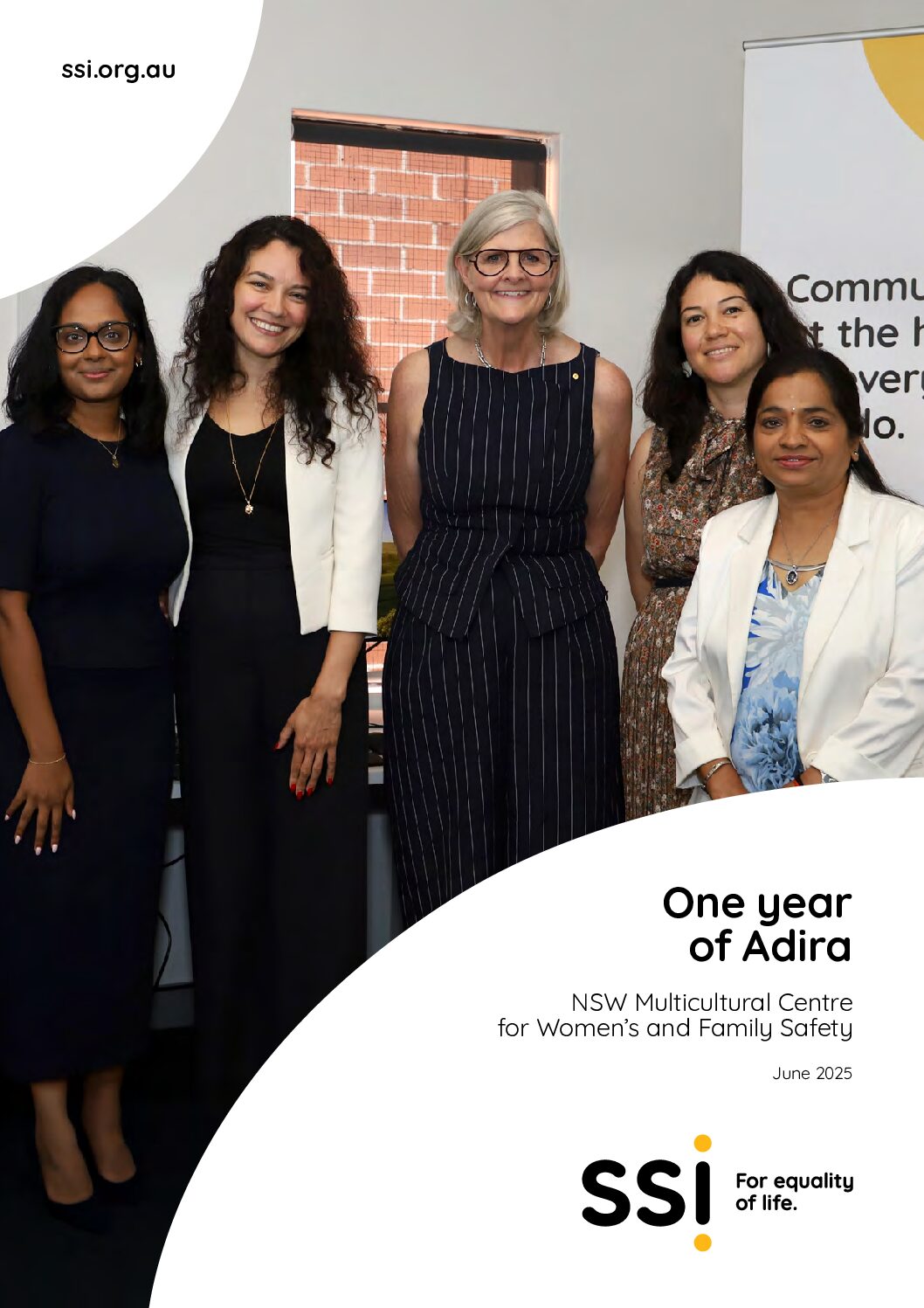
Established in 2024 and funded by the NSW Government, the NSW Multicultural Centre for Women’s and Family Safety (the Adira Centre) works across NSW to enhance culturally responsive domestic, family and sexual violence prevention and response in migrant and refugee communities. This report outlines the Adira Centre’s key achievements in its first year.
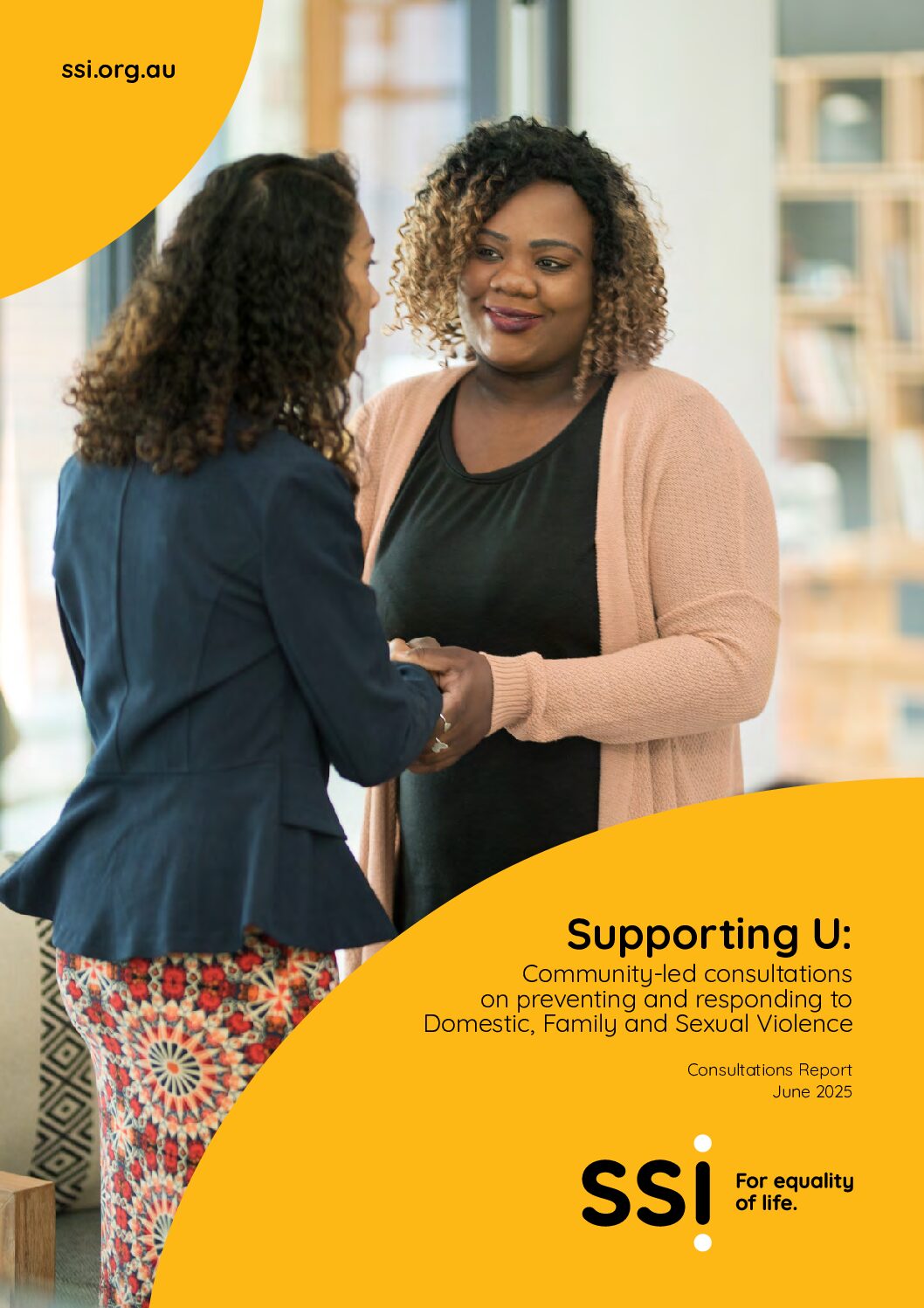
The cohort of Supporting U women, recruited in mid-2024, were supported to undertake grassroots consultations into issues of DFSV in their communities. This is an important step towards the Adira Centre’s longer-term goal of fostering community-led responses to DFSV in migrant and refugee communities.
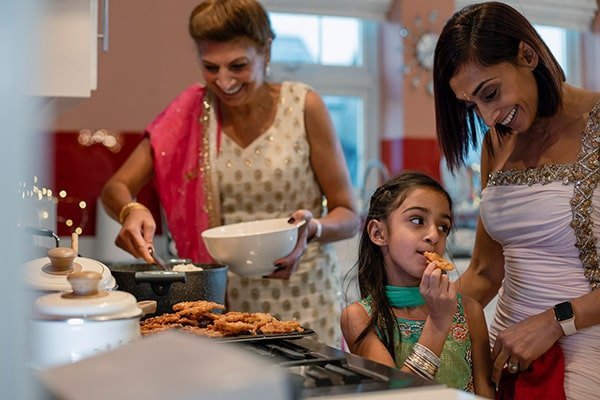
Cross-sector engagement
The Adira Centre is a resource for the sector, providing specialist, culturally responsive casework, support and advice to address the diverse needs and experiences of migrant and refugee women and their children impacted by domestic, family or sexual violence. Our work is informed by lived experience.
We recognise the critical role that support services play in ensuring and promoting family safety in multicultural communities.
Through our collaborative casework practice and range of capacity building initiatives, we support women’s safety services, and multicultural and settlement organisations to deliver effective, safe and culturally appropriate responses to those who need them.
Information brochure
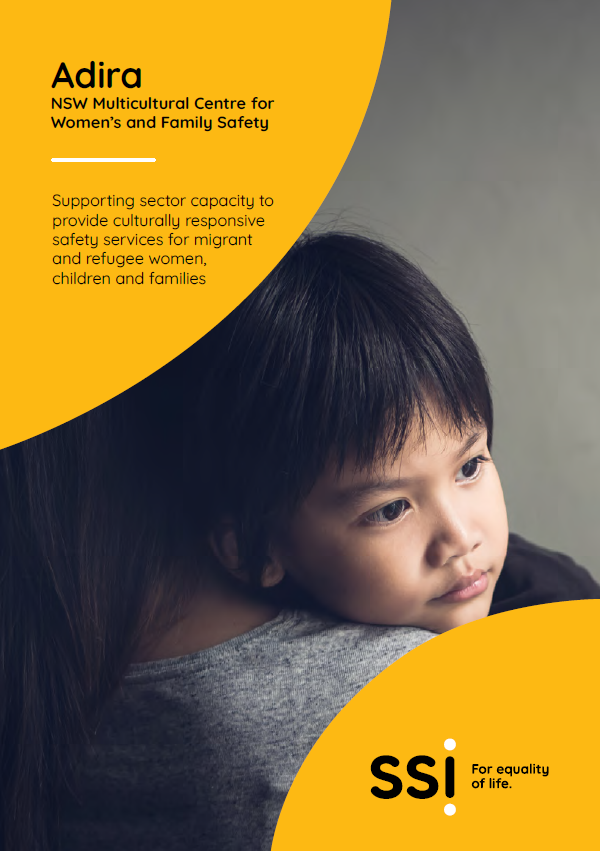
Display at your service

What we do
The Centre collaborates with services to strengthen culturally responsive domestic, family and sexual violence, prevention and response for women, children and families in migrant and refugee communities.
We provide cultural responsiveness and inclusive practice expertise and support, as well as advice on cultural, community and migration-related considerations.
We accept referrals to ensure migrant and refugee women and children receive the specialist domestic, family and sexual violence support they need.
We facilitate community education sessions and sector training opportunities.
The Centre contributes to developing evidence on safety considerations impacting women, children and families from multicultural communities. We consult with communities and engage in research collaborations to inform the design and delivery of services, develop policy advice, and improve responses to domestic, family and sexual violence in multicultural communities.
How we can support
- Specialist domestic, family and sexual violence casework delivered through our culturally responsive model of practice.
- Consultation on complex cases and cultural considerations, and collaborative practice support.
- Capacity building and collaborative initiatives to support culturally responsive practice.
- Community engagement in migrant and refugee communities on healthy relationships, parenting, and available support services.
- Consultation, policy advice and systems advocacy.
Collaborate with us
Partner with us to promote safety for migrant and refugee women and children. Whether you seek expert advice on complex cases, or wish to collaborate and explore potential partnerships, contact us at safetycentre@ssi.org.au or 02 8111 7077.
To make a referral to the Centre, please complete the form
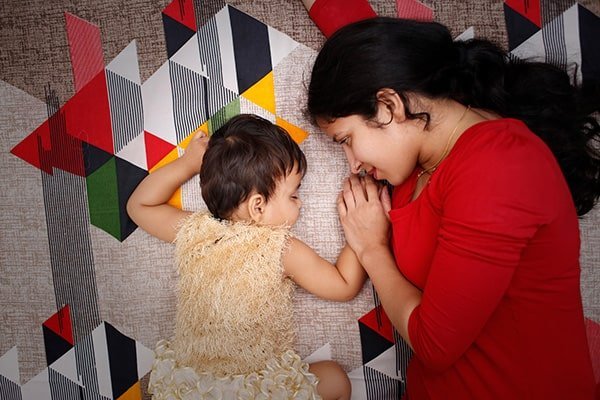
Are you a migrant or refugee woman or young person at risk of, or experiencing, domestic, family or sexual violence?
Read this in your language.
Click ‘download other version’ to print in-language resource.
Note for service providers: Please consider your clients’ safety when providing them with printed copies.
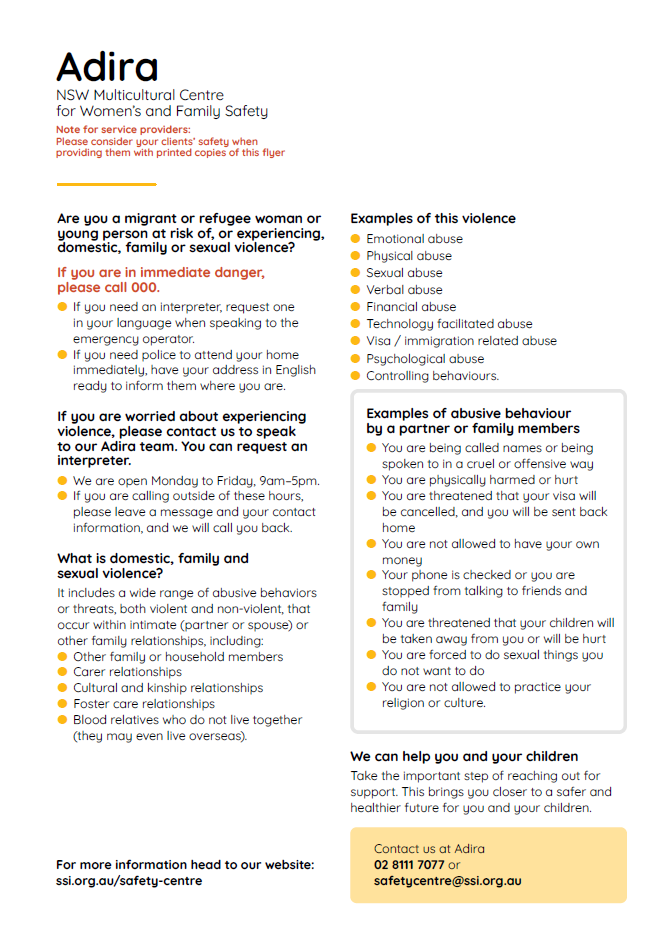
If you are in immediate danger, please call 000
If you need an interpreter, you can request one in your language when speaking to the emergency operator. If you need police to attend your home immediately, have your address in English ready to inform them where you are.
If you are experiencing violence, please contact us by calling 02 8111 7077 to speak to the Centre’s team. You can request an interpreter.
We are open Monday to Friday, 9:00 am – 5:00 pm.
If you are calling outside these opening hours, please leave a message and provide your contact information, and we will call you back. Please tell us when it is safe to call you back.
What is domestic, family and sexual violence?
Domestic, family and sexual violence includes a wide range of abusive behaviours or threats, both violent and non-violent, that occur within intimate (partner or spouse) or other family relationships, including:
- other family or household members
- carer relationships
- cultural and kinship relationships
- foster care relationships
- blood relatives who do not live together (they may even live overseas).
Examples of domestic, family or sexual violence
- emotional abuse
- physical abuse
- sexual abuse
- verbal abuse
- financial abuse
- technology facilitated abuse
- visa / immigration related abuse
- psychological abuse
- controlling behaviours
Examples of abusive behaviour by a partner or family members
- You are being called names or being spoken to in a cruel or offensive way.
- You are physically harmed or hurt.
- You are threatened that your visa will be cancelled, and you will be sent back home.
- You are not allowed to have your own money.
- Your phone is checked or you are stopped from talking to friends and family.
- You are threatened that your children will be taken away from you or will be hurt.
- You are forced to do sexual things you do not want to do.
- You are not allowed to practice your religion or culture.
We can help you and your children
Our team can help you and your children. We respond with dignity, listen with empathy and offer safe, effective and confidential support in your language.
When you contact the Centre, you will speak to someone who understands your situation and can provide the assistance you need. We will provide you with information, advice and referrals to services best suited to you.
We will always prioritise your and your children’s safety and well-being.
Get help
Take the important step of reaching out to Adira for immediate support. This brings you closer to a safer and healthier future for you and your children.
Contact us on 02 8111 7077
Download social media and newsletter tiles